


Bathtub materials are one of the first things you'll need to consider while buying a bathtub. You've probably heard of acrylic and cast iron tubs. Both are excellent materials, but which is better?
Acrylic and cast iron tubs have a unique appeal that makes them stand out. Some features in acrylic tubs are not present in cast iron tubs, and vice versa. Therefore, neither bathtub is superior. Which bathtub material is best is entirely up to you and your preferences.
Because of the material, each tub will have a different cost, maintenance, and so on. You'll need to compare the features of acrylic and cast iron to make your decision, and I can help you with that.
Defining the Tubs

I will first introduce the fundamental differences and descriptions of the tubs we are discussing. You may already know some information about acrylic and cast iron bathtubs, but it's good to read some additional details.
What Are Acrylic Tubs?
Acrylic tubs use acrylic sheets heated to hundreds of degrees to make them malleable and then vacuumed into a mold, cooled, and reinforced with fiberglass. They're also a popular material for a variety of reasons.
This kind of material is relatively cheap, durable, and lightweight. You can often install it with no added support and place it in your upstairs bathroom with no difficulty. You can also find them in varying shapes, sizes, and designs because of the material's versatility.
What Are Cast Iron Tubs?
As the name suggests, cast iron tubs are made of molten iron poured into a mold and then coated with a primer and enamel finish. Some manufacturers even use scrap metals to create this type of tub material.
Cast iron can also be used for many bathtub designs, though less so than acrylic. And just like the latter, it is also very resilient that you can recycle it without losing its properties.
There's more to these two bathtub materials, which we will compare later. It will also help you understand what is better regarding specific characteristics.
Comparison Between Acrylic and Cast Iron
The characteristics listed below demonstrate how acrylic and cast iron differ significantly, which I will thoroughly discuss.
Material and Durability
Acrylic and cast iron resist chipping, cracking, and water absorption. When choosing your tub, these qualities should be present to reduce maintenance and improve tub reliability.
If your tub material lacks any of the abovementioned properties, your newly purchased tub will quickly look like you have already used it for several years. And it would not be very appealing to see.
However, when your bathtub ages and is poorly maintained, you should expect a loss of sheen and the appearance of scratches and minor flaws. Furthermore, if the interior of a cast iron tub is damaged, it can chip, expose the iron inside, and rust.
It is also worth noting that the tub's quality depends on the manufacturing process, which also influences how much it costs.
Cast iron bathtubs can endure up to 70 years, whereas acrylic bathtubs can last up to 15 years. Given how much their lifespans differ, you might also want to consider that. How you care for them will also impact how long they last.
Maintenance

Cleaning bathtubs require only simple household items such as mild and non-abrasive agents, sponges, and towels.
You can clean your acrylic tub using a solution of vinegar, dish soap, and water, then scrub it with a sponge. You can also experiment with other methods for different types of stains. As for cast iron tubs, you can fill them with hot water to soften the filth and dirt before scrubbing.
Both are simple to clean. However, each tub's finishing differs in terms of how you can repair them. On acrylic tubs, you may quickly fix light scratches with sandpaper and cracks with repair kits. On the contrary, a cast iron tub would require epoxy and some adhesive.
More severe damages may not be repaired using do-it-yourself repair kits. Instead, you may refurbish them to give them a fresh look and finish that will last for another ten years.
The video below demonstrates how professionals restore a cast iron tub:
Weight
Weight is another aspect where acrylic and cast iron differ significantly. It is essential to consider this if you are willing to incur extra costs.
On average, an empty acrylic tub weighs 100 pounds, while cast iron can weigh 300 pounds. The tub's weight will vary; smaller and simpler designs will weigh less than more oversized tubs.
Lighter tubs are also easier to install because they require less floor support than oversized tubs. Consider the gallons of water and the weight of the bather to understand why base support is needed.
Cost
When it comes to bathtubs, price is a determining factor, but there are reasons for this, which may also affect how you enjoy your bath.
On average, an acrylic tub fixture costs $250 to $1,700, while a cast iron tub costs $500 to $2,000. After comparing them, you can decide which tub will meet your budget, and you may have already eliminated one of your options.
More expensive models for both bathtubs can cost more than $5,000 depending on size, style, and finish, and they are of high quality. Alcove tubs are typically less expensive than clawfoot and freestanding tubs, but they require a recessed spot in your bathroom.
Aside from the tub fixture itself, there are installation costs to consider. Acrylic setup can range from $500 to $950, while cast iron installation can range from $900 to $1600. Installation charges vary depending on the style you chose and your local rates.
Plumbing, labor, assembly, and clean-up are part of the installation process.
Heat Retention
Acrylic tubs are warm to the touch, but cast iron retains heat better and longer than acrylic tubs, making it one of the best materials.
Although both retain heat well, cast iron may be preferable if you enjoy long baths after a long day. It is another advantage of cast iron; despite its high cost, you will enjoy an incredible bathing experience.
Which Is Better?
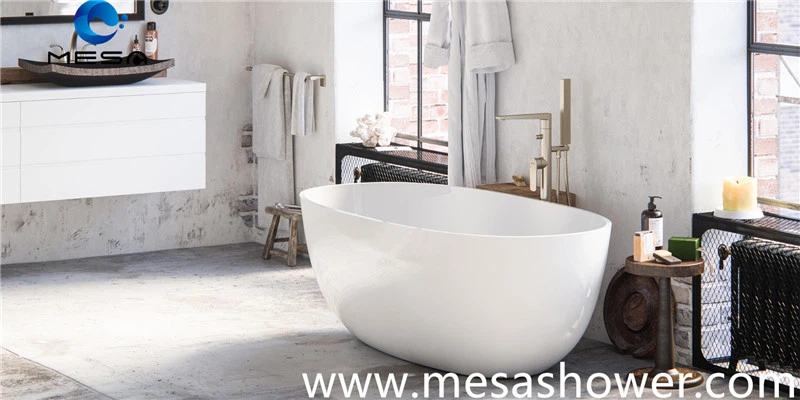
After we've gone through all the comparisons, we will conclude which tub is best.
We could see they are equal if we weighed their advantages and disadvantages. Deciding which is better also depends on the specifications you want.
If you're on a limited budget, acrylic is a better option because you can get any of it for under $1,000. With its pricing, an acrylic tub will provide an adequate bathing experience, which is enough if you are not searching for something particularly fancy.
If you enjoy warm baths and want something that will last a lifetime to pass down through generations, you can invest in cast iron tubs, although you should anticipate the costs.
When comparing what's best, knowing what you can afford, what you enjoy, the size of your bathroom, and how you want your bathing experience is crucial. As a result, it is critical to establish what you can deal with first, and the bathtub fixture would come second.
Takeaway
Before purchasing a bathtub, evaluate your options and work on filtering them as you go. Acrylic and cast iron are some of the most pleasing bathtubs to add to your bathroom as a centerpiece or hub for relaxation.