


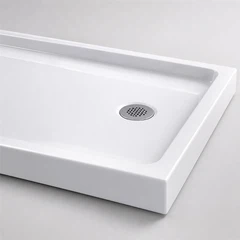



There is an overflow drain and the primary drain at the bottom of your tub. You've probably seen one during your baths and wondered if it's essential to have one, and what if your tub didn't come with one? If you're curious about these, the following parts will help you figure it out.
Most bathtubs come with an overflow drain. They aim to prevent water from overflowing the tub and flooding your bathroom if the faucet is left running. You may purchase tubs with no overflow drain for the clean aesthetic or drain covers if you want to fill the water to the rim.
You may have probably overlooked overflow drains since they are just a tiny detail in your bathtub, but they play an essential role and are more than just a "slot in the side of your tub."
What Is an Overflow Drain?

Whether in your sink or your bathtub, an overflow drain is present. These drains are the holes or silver plates you can see a few inches below the tub's rim. Usually, they vertically align below the faucet.
There may have been times that you have left your bathroom to do some other tasks. Perhaps, you need to take a call or do something else while the faucet is running so that your bath is ready when you return.
For these situations, the overflow drain is your hero. It prevents your bathroom floor from becoming an indoor pool when you return from what you are doing. These are also the situations telling you that an overflow drain is necessary.
If you are unaware, flooding can also damage everything in your bathroom, especially wooden fixtures. Mold can also grow in corners and wet spots. Turning on and keeping your faucet running without any safety system, such as an overflow drain, wastes water and leads to disaster.
Types of Overflow Drain
There are two types of overflow drains that you should know. They serve the same purpose but differ in the drain's position in the tub.
Traditional Overflow - These drains typically rest on the side of the tub to collect excess water and let it flow on the bathtub drain.
Integral Overflow - For integral overflow, the drain sits near the faucet. The pipes are hidden inside the tub and connect directly to the main drain of the tub.
You may still have more questions about overflow drains and other unknown things. There are options and other alternatives you can do if you want to fill your tub to the rim and enjoy a full soak, which is what I will discuss in the next part.
How to Achieve a Full Soak Without an Overflow Drain
What if you own a tub less than 30 inches in height, and because of the overflow drain, you can't get desired soak you want? Well, you can't just get a replacement for that sole reason, at least for some people who are saving.
Fortunately, this problem is easy to solve. If you haven't heard of overflow drain covers, they are small suction cups that seal the overflow drain to increase the water depth. Most are leak-free, easy to clean, and universal in size. You can get one from Amazon for a low price.
This bathtub accessory is easy to use. Simply wet the suction cup, face the hole at the top, and pop it in your overflow drain, as shown in the video:
But before purchasing a cover, you must check if you can adjust your overflow drain. Some tubs have an adjustable overflow where you can interchangeably switch from draining to cover mode.
If you are still worried that your water might splash around when you overflow your tub, then a floor drain could be the solution. A floor drain is an alternate that prevents water from flowing elsewhere and from damaging other fixtures. You may also require one if your bathtub lacks an overflow drain.
Can Overflow Drain Leak?
Aside from preventing flooding and finding alternatives, it would be best if you also considered the drain. Like any other draining system, an overflow system comprises pipes, which can leak if not properly maintained or aged over time.
You can tell if your overflow drain is leaking by running the faucet and checking for any pool of water on the floor. Check your showerhead, tap, and tub spout for leaks as well.
Drains can leak for several reasons, such as a gasket that needs replacing, improper drain fittings, and faults and holes in overflow tubes and drain traps. Some of these problems are manageable with the right tools and knowledge.
How to Fix a Leak in the Overflow Drain
If your problem involves replacing the gasket, then you can follow these steps:
Unscrew the plate of the overflow drain in your bathtub
Remove the plate and drain plug to give you a better look at the problem.
Remove the old gasket and examine what kind it is so you'll know what you need to buy in the hardware, or you can take it with you so you can get assisted.
Lubricate your new gasket to fit it in the drain hole. This lubrication should be a silicone grease specialized for plumbing.
Make sure that you have fit the gasket appropriately before you seal it tightly.
Put back the cover plate and the drain plug, then screw.
Fixing the gasket is just similar to replacing a tap washer. If this isn't your problem, you will need to ask a professional to assess your situation and fix the leaking.
An overflow drain can also get blocked and might not function well. Instead of draining, it can flood your bathroom because of the little water passing through it. Always keep your drains clean and free from dirt and waste.
Takeaway
Overflow drains are essential if you don't want to flood your bathroom. Aside from the nuisance of cleaning, it can also damage everything that has been flooded. It's better to keep your bathroom dry and avoid overflowing that your tub can't handle


