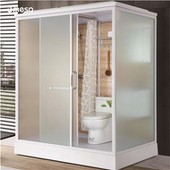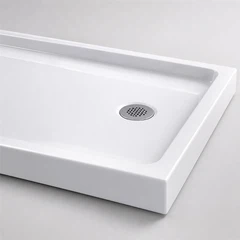



Modern freestanding bath is a popular choice for modern bathroom design because of its beauty and flexibility. However, its open structure and different freestanding tub sizes also pose anti-slip challenges. To ensure safe use, comprehensive planning is required from multiple aspects such as ground treatment, equipment selection, and accessory installation.
I.Floor material and Anti-slip Treatment.
A freestanding bath tub is usually placed directly on the bathroom floor,Therefore, anti-slip on the ground is the key. It is recommended to choose anti-slip floor tiles with a rough surface, such as through-body tiles or antique tiles. Their concave and convex textures can significantly increase friction and reduce the risk of slipping caused by water stains. If smooth tiles (such as polished tiles) have been laid, the anti-slip property can be enhanced through post-treatment:
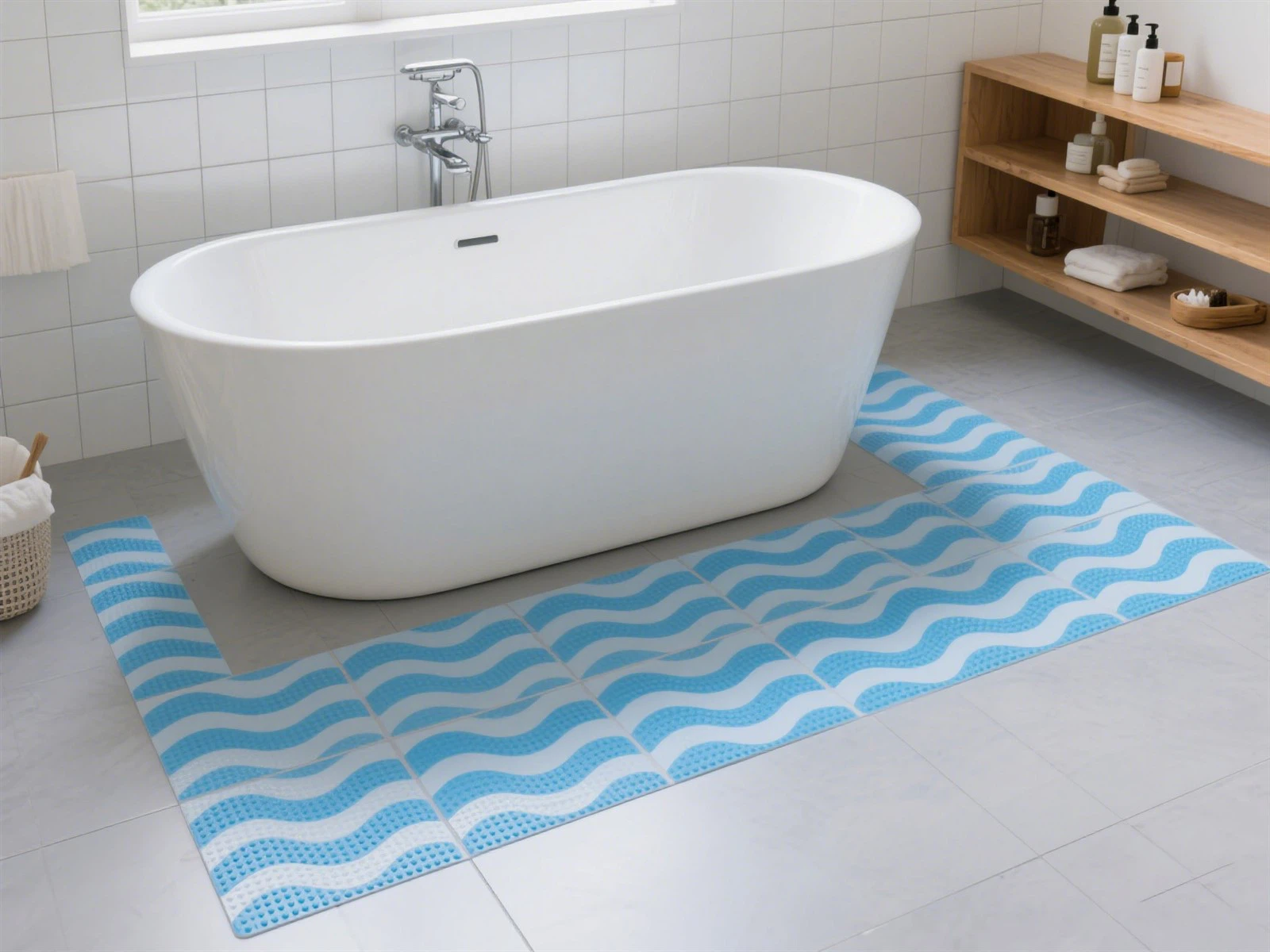
1.Anti-slip stickers or coatings: Lay anti-slip stickers (such as 3M safety anti-slip tape) or use medical-grade anti-slip technology (such as nano-coating) around the bathtub. There is no need to remove the original floor. The construction is fast and the effect is long-lasting.
2.Preservative wood flooring: Laying preservative wood in the bathtub area, with gaps designed to drain quickly and keep dry, especially suitable for lightweight bathtubs like acrylic freestanding tub, which combines anti-slip and natural style.
II.Anti-slip accessories around the bathtub
1. Selection of anti-slip MATS
Material: It is preferred to choose anti-slip pads with rubber particles on the back, or microfiber and fiber materials, which are both water-absorbent, durable and easy to clean.
Size: Adjust the mat size to freestanding tub sizes to ensure it covers the main path in and out of the tub.
Location: It is recommended to lay at the entrance and exit of the bathtub, such as the steps of freestanding walk in tub, to prevent water stains from spreading into the dry area.
2.Safety handrails and shower seats
For elderly users or those with limited mobility, a sturdy handrail or a folding shower seat can be installed beside the bathtub to provide support when entering and exiting. If freestanding tub faucet and bathtub integrated design is chosen, make sure the handrail is installed in a position that does not affect the operation of the device.

Iii. Optimization of Drainage System
Water accumulation is one of the main causes of slipping. It is necessary to reduce the retention of water stains from the source:
1. Floor drain and slope design: Install long strip floor drains or drainage channels, and combine them with the ground slope (1%-3%) to accelerate drainage. Especially suitable for large capacity bathtubs of 60 inch freestanding tub or larger to prevent overflow from spreading.
2.Freestanding tub drain layout: Ensure that the drain is properly positioned to avoid slow drainage due to long or curved pipes.
Iv. Bathtub Material and Surface Treatment
1. Anti-slip inner wall design: Some acrylic freestanding tubs have a frosted inner wall or built-in anti-slip texture to reduce the risk of slippage due to foam during bathing.
2. External anti-slip base: If the bottom of the bathtub is relatively smooth, an anti-slip rubber pad can be added or a model with an anti-slip base can be chosen to enhance stability.

V. Daily Maintenance and Cleaning
1. Clean up water stains in time: Dry the floor around the bathtub immediately after bathing, especially the steps and joints of freestanding walk in tub.
2. Regularly inspect the anti-slip facilities: If the anti-slip MATS are aged, the handrails are loose, or the floor tile coating is worn, they should be replaced or repaired in a timely manner.
3. Avoid using waxy cleaners: Waxy can reduce the friction of the ground. It is recommended to use neutral cleaners to maintain the anti-slip coating.
The best freestanding The safe use of tubs requires a combination of anti-slip design, accessory optimization and regular maintenance. By choosing the right floor material, installing practical accessories (such as handrails and anti-slip MATS), and optimizing the drainage system, the risk of slipping can be minimized to the greatest extent, while also taking into account both aesthetics and functionality. Whether it's a small freestanding tub or a large freestanding tub, scientific anti-slip measures add a touch of peace to your bathing experience.