


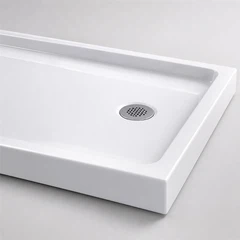



The installation of a shower pan is a critical stage in shower room construction, demanding outstanding precision and high-quality materials. Mesa has actually collaborated with over 3,000 job design clients worldwide. We have observed that also minor deviations in progressing or sealing can lead to substantial long-lasting expenses.
Leveraging over 20 years of industry experience, Mesa will provide a detailed installation guide. In addition, we will certainly contrast the differences between various materials and conduct a relative analysis of "DIY" versus "professional installation." By understanding these nuances, you can ensure a trustworthy, leak-free environment for both residential and commercial applications.
1. Preparation and On-site Assessment
The service life of a shower pan is straight correlated with the quality of the construction of the underlying surface area. Ignoring the subfloor is the primary source of mechanical failing in shower pans.
1.1 Clean and Level the Subfloor
Prior to any kind of installment begins, the subfloor needs to be entirely free from dirt, building and construction particles, and others. A tidy surface area makes certain that mortar or self-leveling compounds bond correctly.
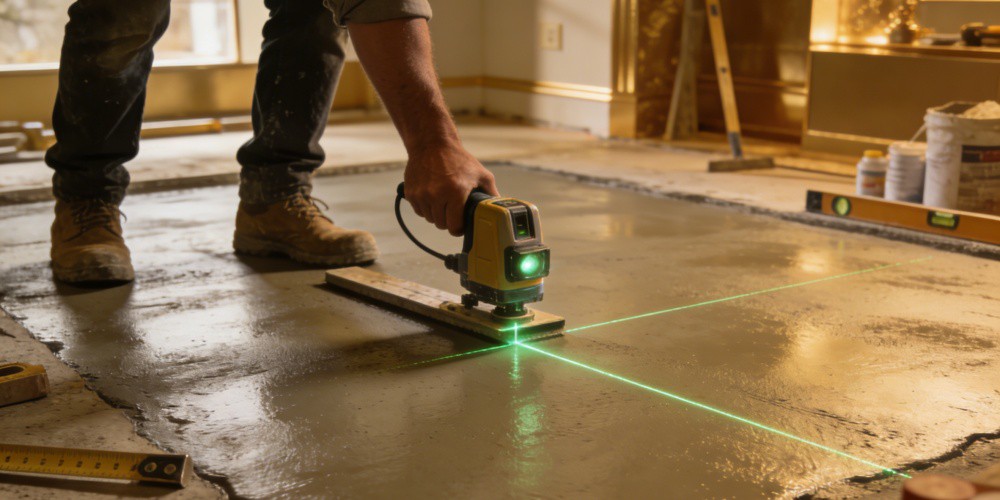
Mesa suggest making use of a high-precision level to scan the entire area. If the floor drifts by greater than 1/8 inch over a 10-foot span, it is thought about unlevel. In such situations, the application of a self-leveling underlayment or a reinforced patching mortar is compulsory. Otherwise, an irregular floor creates "voids" or hollow areas under the pan. When a user stands on these areas, the focused weight triggers the product to bend, ultimately bring about hairline fractures or the failure of the drain seal.
1.2 Measure and Dry Fit
Guarantee that the opening in the shower pan lines up perfectly with the drainpipe sticking out from the flooring, and that the pan fits snugly against the wall surface studs. If the bathroom wall surfaces are not plumb, you require to shim the studs or scratch the wall surface area to make sure the pan is set up degree. Also an imbalance of just half an inch at this stage can protect against the final links from being developed or make the setting up vulnerable to leaks under stress.
2. Installation of the Drainage System
The drainage system is the mechanical heart of the shower. Its honesty establishes whether water remains within the plumbing or moves right into the floor joists.
2.1 Mechanical Assembly of the Drain
A typical shower drain contains several parts: the drain body, the strainer, a compression gasket or solvent-weld link.
· Solvent Welding: For PVC or ABS systems, the lower portion of the drain must be bound to the riser pipeline using the proper chemical primer and concrete. This creates an irreversible, watertight merged joint.
· Compression Seals: Some modern shower pans make use of a rubber compression gasket. Although this technique offers a simpler installation process, it enforces very accurate requirements on the tightening up torque. If overtightened, it might result in contortion of the gasket; alternatively, if left too loose, it will bring about slow down leakage.
2.2 Pre-Pitching
In custom made shower doors making use of a water-proof liner, a "pre-slope" is required. This is a layer of mortar mounted underneath the waterproofing membrane, sloped at a price of 1/4 inch per foot towards the drain. Without a pre-slope, water that passes through the floor tile cement will certainly rest stationary on the flat membrane layer, bring about unpleasant odors and bacteria buildup. Prefabricated shower pans from Mesa resolve this concern by incorporating the incline directly into the mold style.
3. Physical Installation Methods
3.1 Installing a Prefabricated Shower Pan (Recommended)
Prefabricated shower pans made from SMC or acrylic have actually become a common attribute in the industry as a result of their effectiveness.
- The Mortar Bed Foundation: if some frying pans on the market are promoted as having a "independent" framework, we highly advise laying a slim bed of mortar (usually called a "mud bed"). This mortar fills up any kind of tiny gaps betwen the pan and the floor, offering a solid, "rock-like" really feel underfoot.
- The Setting Process: Lower the pan into the damp mortar. Apply also pressure by entering the pan or utilizing heavy bags. This guarantees the mortar spreads equally.
- Mechanical Fastening: When leveled, the incorporated tiling flange of the pan ought to be secured to the wall surface studs. Use galvanized or stainless-steel screws to stop rust. Keep in mind: Do not over-tighten, as the pan needs a percentage of area for thermal growth and contraction.
3.2 Installing a Flexible Waterproof Liner
For custom-sized showers, a flexible membrane (PVC or CPE) is made use of.
- Liner Placement: The liner has to be draped over the pre-slope and prolong a minimum of 3 to 6 inches up the wall studs.
- Corner Management: Never reduce the lining at the edges. Rather, fold it into "pig-ears" and essential them high up on the studs, well over the potential water line.
- The Flood Test: This is a non-negotiable safety action. Connect the drain and load the pan location with water. Mark the water level and wait 24 hr. If the degree continues to be continuous, the system is water tight.
4. Sealing and Finalization
The joints between different products call for careful inspection, as they are regularly the sites where leaks take place frequently.
4.1 High-Performance Sealants
Once the pan is safeguarded and the mortar has healed (typically 24 to 48 hours), the gap between the pan and the drain body need to be sealed. We suggest 100% silicone sealant instead of acrylic caulk. Silicone stays flexible with time and is highly resistant to mold and mildew.
4.2 Curing and Protection
We regularly observe that, before the mortar has actually totally hardened and established, installers tip onto the newly installed pan- either puting on hefty job boots or carrying devices. This technique makes the surface area of the pan extremely susceptible to scrapes and can even jeopardize its previously adjusted levelness.
5. Choosing the Right Material
The selection of material impacts not just the aesthetics yet likewise the simplicity of installation and the longevity of the bathroom.
5.1 Acrylic Shower Pans
Because of its affordability, polymer is the most common selection for property remodellings. It is light-weight, which makes it very easy for a single person to mount. It is reinforced with fiberglass for strength. However, acrylic can feel "versatile" if not backed by an appropriate mortar bed.
5.2 SMC (Sheet Molding Compound) Shower Pans
SMC is a high-strength, glass-fiber strengthened thermoset material. It is manufactured under high pressure and temperature, resulting in a product that is exceptionally sturdy, heat-resistant, and dimensionally secure. SMC shower pans have ended up being the preferred choice for a raising number of hotels and big apartment complexes. Mesa' s SMC pans are developed to balance light-weight construction with phenomenal toughness, supplying contractors the optimal balance of efficiency and ease.
5.3 Stone Resin Shower Pans
Stone resin is a composite of all-natural crushed stone and artificial material. These pans are unbelievably hefty and stiff. They give a premium, "solid" really feel comparable to a traditional tiled floor but with the advantage of a seamless surface area. They are suitable for high-end homes where top quality is the primary issue.
6. The Consequences of Common Installation Errors
- Ignoring the Subfloor: In a commercial setting like a resort, a solitary broken pan can lead to water damages in the space below, costing thousands in repairs.
- Poor Drain Seals: Using the wrong kind of plumbing's putty or stopping working to cleanse the surface areas before using silicone will inevitably lead to reduce leaks.
- Skipping the Mortar Bed: A "hollow" sounding shower frying pan is a sign of low quality and can minimize the residential or commercial property worth. It additionally raises the mechanical anxiety on the drainpipe link every time someone enters the shower.
7. DIY vs Professional Installation
The DIY Context
For a home owner with basic plumbing knowledge and the right tools (drill, saw, level), installing a prefabricated pan is a convenient project that can be finished in your extra time. It uses cost savings on labor. However, the homeowner thinks all threat. If a leakage takes place in the future, the resulting repair service expenses will far exceed the labor costs originally saved.
The Professional/Contractor Context
For massive developments, professional installation is the only practical path. A professional team employs standardized building and construction processes to substantially reduce job timelines, while simultaneously making certain that each and every single unit within a hotel-- also one comprising hundreds of guest rooms-- meets an entirely consistent standard. Additionally, specialist installers usually supply a guarantee on the high quality of their workmanship.
8. Why Prefabricated Systems are the Trend
Efficiency and Quality Control:
Typical tile-and-mortar shower bases undergo human error on-site. The incline may be somewhat off, or the waterproofing membrane layer could be nicked by a device. Built shower pans from Mesa are made in regulated atmospheres. The incline is mathematically excellent, and the material is tested for water tightness prior to it ever leaves the manufacturing facility.
Reduced Labor Costs:
A prefabricated shower pan can be mounted in around 1 to 2 hours, whereas a custom tile base needs several days of labor (framing, pre-slope, lining, final slope, tiling, and grouting). For programmers, this decrease in labor hours is a significant financial advantage.
9. FAQs
Q: What' s the Difference Between a Shower Pan and a Shower Base?
A: A shower pan and a shower base are actually two different points. The shower pan is the real floor of the shower area, while the shower base is the supporting structure situated underneath the shower floor.
Q: Is mortar always necessary under a shower pan?
A: While some pans have "leveling feet," we always recommend a mortar bed. It provides a solid foundation that stops the "creaking" sound and minimizes the danger of the product breaking over time.
Q: How do I know if my drain is leaking after installation?
A: One of the most efficient technique is the flood test. If you can not access the location below the shower, watch for moisture on the ceiling below or a consistent moldy scent in the shower room.
Q: Can I use an SMC pan in a high-traffic hotel environment?
A: Yes. SMC is specifically developed for high-traffic usage. Its surface area is scratch-resistant and can stand up to the hostile cleaning chemicals usually used in friendliness management.
10. Conclusion
The effective installation of a shower pan is a mix of careful prep work and self-displined implementation. Whether you pick the cost-effectiveness of acrylic, the deluxe of stone resin, or the commercial stamina of SMC, complying with the technical steps described in this guide will certainly make sure a durable and cosmetically pleasing result.
At Mesa Shower, we are committed to providing high-quality bathroom solutions that simplify the construction process for both homeowners and professional contractors. By choosing a precision-engineered shower pan, you are investing in the long-term integrity of your building. For more information on our range of products, contact Mesa now.


