


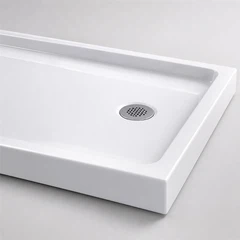



Well, I might say that it’s not only affordable but also you can choose what sizes, shapes, colors, and styles you`re preferred. Acrylic bathtubs are easy to maintain, repairable, and damage-resistant.
But first, let's talk about what Acrylic Bathtub really is?
Acrylic bathtubs are vacuum-formed for durability and made of clear plastic reinforced with a layer of fiberglass. Acrylic bathtubs tend to be slightly more expensive than fiberglass bathtubs due to the manufacturing process, but they are much cheaper than most bathtub materials.
Also, the flexible base plastic material of the acrylic bathtub allows you to easily customize the acrylic bathtub to your preferred size, shape, color, and style.

Today, most apartments in the city have acrylic bathrooms. It is based on acrylate polymers. It can be in the form of a sheet material or compressed. The first option is better because a single acrylic sheet bath is more durable and thus has a longer service life.
Acrylic itself is a fragile material, so the final product is reinforced with fiberglass. So, the strength is determined by the thickness of the bath wall (preferably at least 5-6 cm) and the quality of the reinforcing layer.
The acrylic surface is sensitive to strong cleaning and abrasives. For example, if you compare the cost of acrylic bottles to the price of a cast-iron model, you will find that they are low. At the same time, the acrylic shell on the sheet is 23 times more expensive than the cost of the extruded analog.
Acrylic is very popular as a bathroom material and has become the material of choice due to its many beneficial properties. Not only does it have a natural warmth, but it's also relatively cheap, it's incredibly elastic, it's easy to care for, and it's very popular in busy homes.
The acrylic bath has the following advantages:
l Pretty good intensity indicator
l Long life with acrylic board font (the useful life of 10 to 12 years)
l Lightweight (150 cm long, 70-75 cm wide, standard bathtub weighs 25-30 kg on average)
l Excellent thermal insulation (water in such baths is slowly cooled at -1 ° C for 30 minutes)
l High insulation coefficient (unlike metal bathtubs, acrylic writing does not laugh when using water)
l The material feels comfortable, warm, and smooth
l The shape and size will vary depending on the plasticity of the raw materials and the characteristics of the manufacturing process.
l Durable. Even if the base is fiberglass, acrylic reinforcements solve many of the problems with fiberglass bathtubs. Acrylic is non-porous. In other words, acrylic bathtubs do not absorb water, which extends their lifespan. Also, this material is more resistant to strong impacts and will not chip or crack.

When choosing a bath, people are based on its price, size and color, shape, and ultimately the brand. From the material from which it is made, steel models, cast iron, and acrylic are distinguished from each other. You will also find marble and glass, and the rarest species is the wooden bathtub.
To this day, the most popular option is considered to be acrylic sow. But opinions about this model are different. So, to draw independent conclusions, it is necessary to examine all its advantages and disadvantages.
The disadvantage of acrylic bathtubs
Well, now it's time to talk about the cons. One of the significant disadvantages of this model is considered to be low strength and instability in surface damage. Special mats should be used to prevent scratching the bath. This is especially true for those with pets who are in the bath regularly. Well, as for the price, which is sometimes considered too expensive, it is quite adequate considering its manufacturing technology.
l Surface Staining or Scratching. Acrylic bathtubs are easier to repair and chip-resistant than many other bathtub materials, but they are prone to dirt and scratches if not properly maintained or cleaned.
l More sensible. If you are looking for the chicest option for a bathtub, acrylic may not be for you. They come in a variety of shapes and designs to meet high-end needs but are not as premium as other materials such as aluminum and cast iron.
l Sensitive to some cleaners. Acrylic tubs are sensitive to abrasive cleaners, so you need to be careful about what you use in acrylic tubs. It should be cleaned frequently with a suitable detergent to prevent dirt and scratches.
Is an Acrylic Tub right for you?
Evaluating all the strengths and weaknesses of an acrylic bathtub will help you make the right choice when it comes to bathtub replacement or bathroom modifications.
When buying a bathtub, you need to think carefully and compare all the pros and cons of the acrylic model, including other options. Because sometimes it would be wiser to choose an affordable cast iron bath than to buy acrylic.
Cleaning and maintenance of acrylic tubs
Acrylic tubs are less maintenance and may be easier to clean, but there are cleaning products and methods that extend the life of the tub, some shortening it.
How to clean and maintain an acrylic tub

Good news: There are no specific acrylic bath cleaners that you absolutely must use to extend the life of your bathtub. Cleaning the acrylic bathtub is easy. Regularly use mild, non-abrasive detergents and materials (to prevent scratches). Pour warm water and dishwashing liquid into the tub several times, leave it on, and then wipe it with a soft cloth or sponge to rinse. Clean the outside of the tub with dishwashing liquid or a universal cleaner.
To keep the tub shiny (and easy to clean), apply car wax several times a year for showroom shine and water resistance.
Will acetone damage an acrylic tub?
Acetone and cleaning agents containing acetone are not recommended for use in acrylic bathtubs. To prevent damage, do not use solvents in the bathtub. If it spills, wash it off immediately.
How to repair an acrylic tub
Repairing acrylic bathtubs is fairly easy and cheap. After thoroughly cleaning the tub, use fine sandpaper to remove the scratches and polish the area around it with car wax to see the scratches disappear. Light surface scratches can be brushed with toothpaste and a damp cloth.
Can an acrylic tub be resurfaced or painted?
Acrylic tubs can be cleverly re-glazed and lined, which can be expensive. Go to your favorite hardware store and get a DIY acrylic bathtub repair kit that you can use to restore your bathtub yourself.
One of the great things about acrylic is that it has a variety of fade-resistant colors to compliment any color scheme. If you're tired of the color of the tub, you can apply it with two-part epoxy paint. You will need to protect all surrounding tiles and materials before painting the tub. Otherwise, you risk damaging the rest of the bathroom.
Can you tile an acrylic tub?
Most acrylic bathtubs do not adhere firmly to the tiles, which can cause the tiles to fall off and void the bathtub warranty. Or, you can add a tub perimeter around the tub that is not glued to the tub itself.


