





A shower room and a wet room are both designed to be spaces where you can shower, but they differ significantly in terms of layout, design, and functionality.
Shower Room
A shower room is a dedicated area for showering, typically with a shower tray or a low-profile base that allows water to drain away. It usually features shower screens or curtains to keep the water contained within the space. The floor of a shower room is often tiled, and it may include a step or raised edge around the shower tray to prevent water from spilling out.
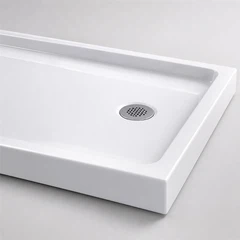
Shower Tray: The most common feature of a shower room is the shower tray. It acts as a basin for water and has built-in drainage to channel water out of the space. The tray typically has a lip around the edge to prevent water from spilling onto the bathroom floor.
Shower Screens or Curtains: These are used to keep water contained within the shower area. Shower screens are often made from glass and can either be fixed or sliding, depending on the design of the shower room.
Flooring: The flooring in a shower room is generally water-resistant and easy to clean, such as tiles, vinyl, or stone. A shower room's floor is usually slightly sloped toward the drain to ensure water flows away efficiently.
Space: A shower room can vary in size, but it is typically more enclosed compared to a wet room. It is often placed in a corner or alcove to save space, making it ideal for smaller bathrooms.
Wet Room
A wet room is a more open concept and often a more luxurious bathroom design. In a wet room, the entire floor is waterproofed and the room does not require a shower tray or enclosure. Essentially, a wet room is a shower area that extends to the whole floor, often with no separation between the showering space and the rest of the room. Water flows freely from the shower area and drains through a central floor drain.
Open Floor Design: The most noticeable feature of a wet room is that it has no barriers or enclosures around the showering area. The entire room is designed to get wet, with the floor constructed to be fully waterproof.
Drainage System: Wet rooms are equipped with a high-quality drainage system to ensure that water is efficiently directed to the drain. The floor is often sloped toward the drain, allowing water to flow naturally from the edges of the room into the drainage system.
Waterproofing: The whole room, including the floor and sometimes the walls, is treated with a waterproof membrane to prevent water from damaging other areas of the room or the surrounding walls. This is a crucial aspect in creating a wet room to ensure it remains functional over time.
Spaciousness: Wet rooms typically offer a more open and spacious feel. The lack of enclosures or trays creates a feeling of continuity, making them ideal for those seeking a modern, minimalist design. Wet rooms can also be designed to accommodate multiple showerheads or even a shower bench for added luxury.
Key Differences
Water Containment: The primary difference between a shower room and a wet room is how water is contained. A shower room uses a tray and screens to keep water within a confined space, while a wet room allows water to flow freely over the floor.
Design and Layout: A wet room is typically open-plan, offering a seamless and minimalist design, while a shower room tends to have more defined boundaries and is often smaller and more enclosed.
Space Requirements: Wet rooms require more space and are generally better suited to larger bathrooms, while shower rooms can be installed in smaller spaces due to their enclosed nature.
Cost and Installation: Wet rooms are usually more expensive to install because of the need for advanced waterproofing and specialized drainage systems. Shower rooms, being more straightforward in design, are often more affordable to install.
Both shower rooms and wet rooms are excellent options for modern bathrooms, but they each have their own unique advantages. A shower room is perfect for those looking for a dedicated, compact shower area with easy maintenance, while a wet room offers a more luxurious, open, and spacious design, ideal for those seeking a high-end, minimalist bathroom. When deciding between the two, consider factors like bathroom size, budget, and personal preferences for style and functionality.


