





Your Comprehensive Buyer's Guide to Choosing the Perfect Tub
When renovating or designing a bathroom, selecting the right bathtub is a critical decision that dictates both the room's style and your personal comfort. The freestanding bathtub stands out as a luxurious, sculptural centerpiece, while the built-in bathtub (or alcove bathtub) offers unmatched practicality and space efficiency.
If you're wondering about the key differences between freestanding and built-in bathtubs, you've come to the right place! This article will show you the differences between them in nine aspects, including definition, design, installation, cost, and daily use. I believe this article will help you make a better choice.
If you're ready to start your bathroom remodeling project, fill out our contact form today or give us a call!


1.The history of freestanding and built-in bathtubs
Before delving into the details of the two types of bathtubs, let me briefly discuss the history of bathtubs.
Bathtubs were not always built into bathrooms as permanent fixtures. In the early 19th century, bathing tubs were often portable pieces of furniture rather than part of the room itself. One preserved example from the 1830s-a painted, boat-shaped bathtub now displayed by the Smithsonian National Museum of American History-shows how people bathed long before modern indoor plumbing became standard.
Freestanding bathtubs, especially clawfoot bathtubs, have always been considered a symbol of luxury and romance.Imagine a spacious and beautiful 2 person bathtub in your bathroom, enjoying a glass of wine in a candlelit setting-it sounds incredibly dreamy, doesn't it?
Built-in bathtubs (typically installed in a niche surrounded by three walls), also known as alcove bathtubs, have long been labeled as unfashionable and rather bulky.
However, don't let these stereotypes blind you.
Just like the debate surrounding frameless and framed shower doors , which has been ongoing for a long time, these two types of bathtubs also have their own advantages and disadvantages.
Source :https://americanhistory.si.edu/collections/object/nmah_318823
2. The Basics: Definitions and Core Distinctions
Understanding the fundamental structure helps clarify the pros and cons of freestanding bathtubs and pros and cons of built-in bathtubs.

What is a Freestanding Bathtub?
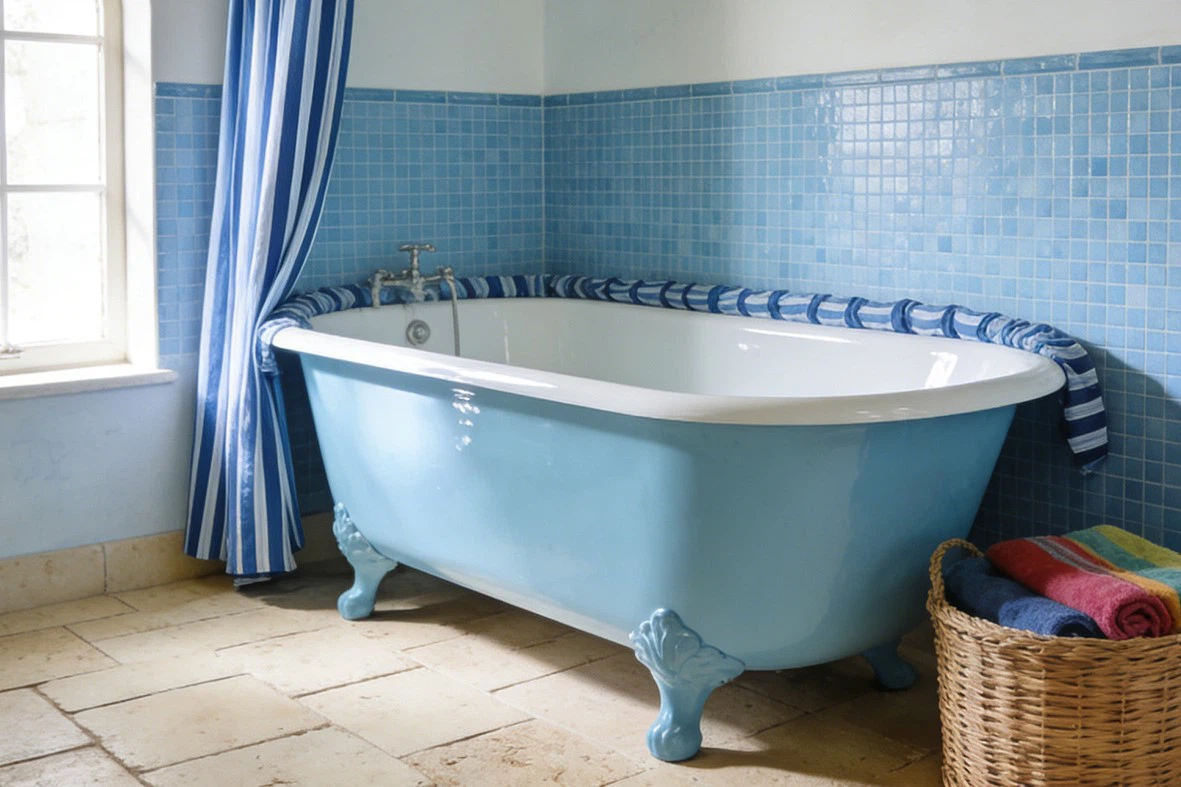
As the name suggests, a freestanding bathtub can be placed anywhere in the room without needing to be against a wall or other surface, offering great flexibility.
Beauty is key: Freestanding bathtubs are often described in terms of their aesthetics. Their styles range from classic clawfoot designs to modern pedestal types, and they come in various shapes including oval, round,rectangular, and boat-shaped, with a wide variety of external designs featuring different lines and patterns.
Pros:
• Flexible installation in the desired location
• Suitable for prolonged immersion
• Available in various styles and fashionable designs, enhancing the overall aesthetic of the space
• Can serve as a striking artistic decorative piece
Cons:
• Cleaning the bottom is relatively difficult.
• Exposed pipes may affect aesthetics and require pre-installation.
• Water temperature retention varies depending on the material.
• Pipes may need to run through the floor, which will increase installation costs.
What is a Built-in Bathtub?
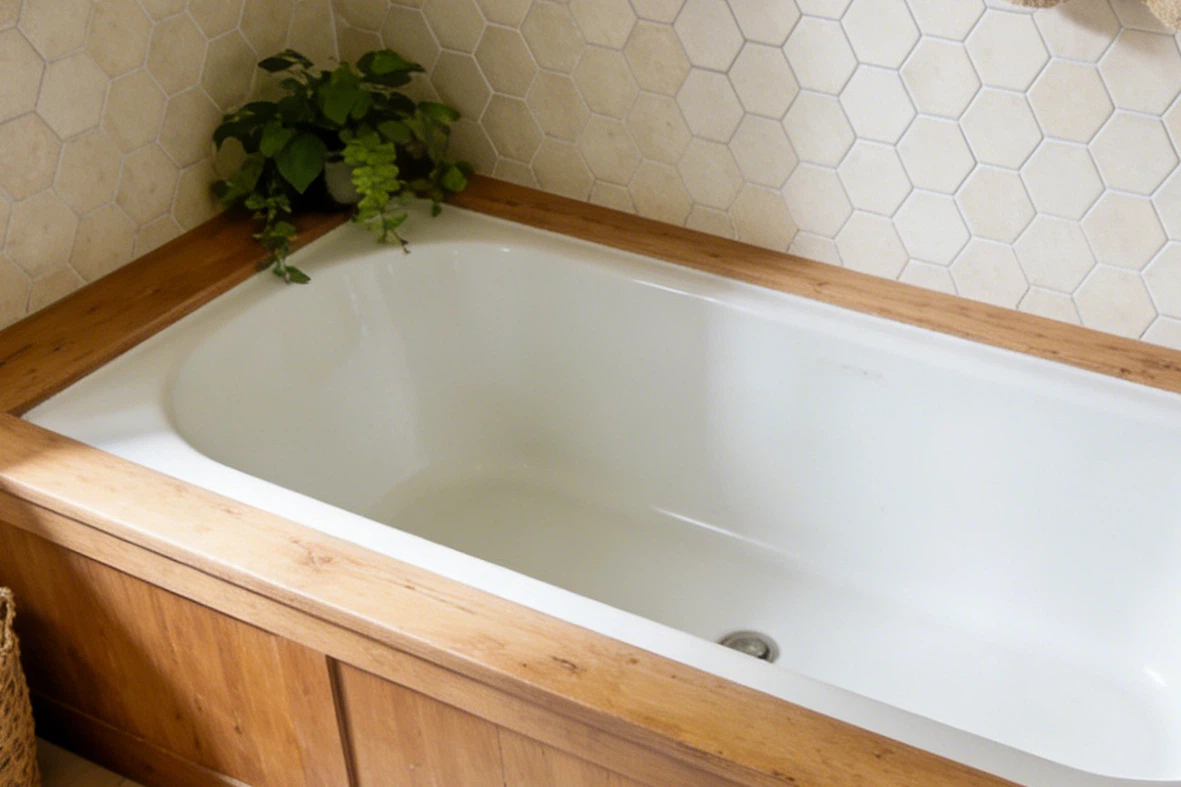
Built-in bathtubs typically come in two installation types: one is installed in a niche surrounded by three walls, and the other involves constructing a separate frame and then embedding the bathtub within it.
The structure is key: it can be a built-in bathtub (requiring a custom frame) or a skirted bathtub (finished on one side).
Pros:
• Can be upgraded to a bathtub-shower combo.
• Three surrounding walls make it easier to fill with water and retain heat.
• No need to purchase a separate bathtub faucet.
• Integrates seamlessly with tiles and countertops, creating a more unified look for the bathroom.
Cons:
• Limited style options
• Less installation flexibility
• Requires pre-planning of plumbing and structure, making installation more complex
• Inconvenient for future maintenance
• May be perceived as not luxurious enough
3. Differences in design and materials
The materials and design choices impact the overall look and the tub's long-term durability of freestanding vs built-in.
|
Material |
Pros (Durability, Heat Retention) |
Cons (Weight, Cost) |
Design Consideration |
|
Acrylic Bathtub |
Lightweight, affordable, good heat retention. |
Prone to scratching, shorter lifespan. |
Ideal for many modern, mass-produced shapes. |
|
Cast Iron Bathtub |
Superior bathtub durability, excellent heat retention. |
Very heavy (bathtub weight considerations), high cost, challenging installation. |
Classic and traditional designs. |
|
Stone Resin Bathtub |
Highly durable, solid feel, good heat retention. |
High cost, heavier than acrylic. |
Common in sleek, minimalist modern bathroom design with freestanding tub. |
|
Fiberglass Bathtub |
Cheapest, lightest. |
Least durable, scratches/fades easily, poor heat retention. |
Best for budget-conscious projects. |
Built-in Tub Surround Ideas
The versatility of a built-in tub lies in its tub surround ideas. The surrounding structure can be finished with materials like marble, subway tile, or custom paneling, making the tile surround for bathtub a major design feature. This is the cornerstone of a functional and classic traditional bathroom with built-in tub.
4.The differences between installation, piping, and construction.
The difficulty and bathtub installation labor cost are often the deciding factor for many renovators.
Freestanding Bathtub Installation
While the tub itself is often simple to place, freestanding bathtub installation complexity arises from the plumbing.
Bathtub plumbing installation requirements: These types of bathtubs typically require a freestanding bathtub faucet or a wall faucet. The floor usually needs to be modified to run the water supply pipes through the floor to connect to the freestanding bathtub faucet and the bathtub drain. Home improvement websites like Angi point out that adjusting exposed plumbing outside the bathtub will increase material and labor costs.
Bathtub accessories: Consider the type of bathtub faucet and its compatibility with the overflow drain.
Built-in Bathtub Installation
Built-in bathtub installation is a multi-step construction project, but the bathtub plumbing requirements are usually simpler since they often tie into existing wall lines.
Installation Requirements: The process includes building a support framework, setting the tub, careful waterproofing, and finishing the surround (tiling or paneling). This often requires tradespeople like tilers and carpenters, driving up the labor portion of the bathtub remodel cost.
When choosing a bathtub, it's crucial to consider its weight, especially when it's filled with water and occupied by a bather. Therefore, your bathroom floor must be able to withstand this weight.
Most modern bathtubs are made of acrylic and cast iron, with a porcelain enamel coating. Cast iron bathtubs are significantly heavier than acrylic ones, and if you choose this type and your house is older, you may need to consult a structural engineer for floor reinforcement – this is a crucial part of the bathtub installation requirements.
5.Differences in space, size, and layout
Bathroom space planning for tubs determines which style is practical.
Best Bathtub for Small Bathrooms: Built-in bathtubs are an ideal choice. It can be installed in a corner or alcove, making the most of the available space.
Bathtub for Large Bathrooms: I think a freestanding bathtub is best suited for this type of bathroom, and standard bathtub sizes will work well in a large bathroom space. Space needs to be left around the bathtub for a better visual presentation.
6.Differences in post-installation maintenance
Besides appearance, you also need to consider daily use and long-term maintenance. At this point, you need to consider which type of bathtub is easier to clean?
- Built-in: Cleaning the bathtub itself is quite easy, but cleaning the grout between the tiles around the edges, and the seams where the bathtub meets the countertop, significantly increases the amount of cleaning work.
- Freestanding bathtubs: The gap between the bottom of the bathtub and the floor needs to be cleaned, as well as any grooves or crevices due to the bathtub's unique design. If your bathtub is too close to the wall, it may make routine maintenance more difficult.
Bathtub Comfort Comparison: Freestanding tubs are often deeper for a luxurious soak. Built-in tubs typically offer a wide, functional deck.


7.Differences in insulation and comfort
These are two factors to consider when choosing a bathtub, because nobody wants to take a relaxing hot bath only to find it uncomfortable to lie in or that the water cools down too quickly.
Freestanding bathtubs: Their heat retention depends on the material, with acrylic materials offering better insulation. These soaking tubs are typically deeper, and their interior curves are designed to be ergonomic, providing a luxurious bathing experience.
Built-in bathtubs: Their heat retention depends on whether insulation is added to the bathtub walls, which allows the water temperature to be maintained for a longer period. These bathtubs typically offer spacious and practical countertops, providing a different level of comfort.
8.The difference between safety and family needs.
Freestanding bathtubs: Conventional freestanding bathtubs may be quite high, making them difficult for the elderly and children to step into, and therefore not ideal. However, to address this issue, many walk-in bathtubs and baby bathtubs have appeared on the market, overcoming the problem of the high height and difficulty of stepping into traditional freestanding bathtubs.
Built-in bathtubs: Most built-in bathtubs are designed to be relatively low, making them safer and easier to step into and out of.
9. The difference between cost and value
When analyzing the freestanding vs built-in cost difference, look at the complete picture.
|
Cost Category |
Freestanding Bathtub Cost |
Built-in Bathtub Cost |
|
Tub Unit Cost |
Higher (Due to fully finished exterior and often premium materials). |
Lower (More basic construction, less exterior finishing). |
|
Installation Labor Cost |
Varies (Higher for complex floor plumbing). |
Consistently High (Requires framework, waterproofing, and specialized tiling labor). |
|
Faucet/Hardware Cost |
Higher (Needs expensive floor-mount fillers). |
Lower (Uses standard wall or deck-mount faucets). |
|
Total Bathtub Price Comparison |
Higher overall investment, especially when including fixtures and complex plumbing. |
Often the more economical choice for standard renovations, despite the construction costs. |
10.The Final Soak: Making Your Decision
|
Consideration |
Choose Freestanding If... |
Choose Built-in If... |
|
Design Priority |
You want a stunning, sculptural focus. |
You prefer a clean, integrated look with practical ledges. |
|
Space |
You have a large bathroom with room to breathe. |
You have a small bathroom or need a shower-bath combo. |
|
Function |
You prioritize deep soaking and a spa-like feel. |
You prioritize ease of use and family safety (bathtub for elderly or kids). |
Ultimately, the choice of bathtub depends on personal preference. The best bathtub is the one that combines your preferred appearance, suitable cost, and other factors. If you haven't found a suitable option yet, feel free to browse the page I've prepared for you.


