


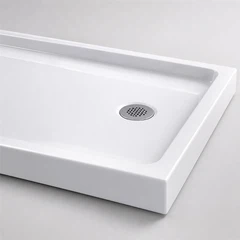



Everything you need to know: Step by Step
How do you make a bathtub? The acrylic bathtub manufacturing process can be divided into acrylic sheet thermoforming, resin strengthening, edge trimming, stamping, grinding, bracket assembly, plumbing assembly, and accessory assembly (including seats, cushions, armrests, etc.), packaging, etc.
Acrylic bathtubs are becoming more and more popular due to their inexpensive materials, manufacturing process, and durability. As with any plastic bathtub, the manufacturing process begins with assembling the petrochemical product's right material. When heated and mixed with stabilizers, resins, fillers, colorants, and other chemicals, a reaction takes place, converting the material into a polymer composition and drying it into an acrylic sheet.
Reinforced bathtubs contain glass as a reinforcement. Cut a piece of glass into an acrylic sheet on a bed of resin paste, then add another layer of filler to wrap the glass completely. The reinforced board is then processed with a series of rollers to evenly mix and compress the material.
As the material thickens and the protective film is removed, the panels are cut into sections to fit the dimensions required for the mold design. Use a considerable suction cup with thousands of small holes to suck a soft acrylic sheet into the shape of a mold.
Once the mold has been set, remove the formed acrylic material from the mold and set it aside. Next, spray a protective layer of fiberglass resin and surface treatment and laminate the entire bathtub to prevent air bubbles and ensure durability. Then mill the shell to cut off the rough edges and add openings for drainage pipes and fittings. Brackets and mounting accessories are added before the finished product is shipped to the packaging facility for shipping and shipping.
Manufacturing process
Step 1: Raw material
The thickness (30 mm-35mm normally) and color are different. The two materials are acrylic and ABS composite panels. Their wear resistance is comparable to aluminum and they have an excellent surface finish and are easy to clean.
Step 2: Molding
New models of different types of bathtubs appear very quickly in the current environment. One of the most commonly used thermoformed foams is gypsum. It has a short processing cycle and is inexpensive. It is also a form that has become popular recently.

Step 3: Vacuum Forming
First, the cut acrylic sheet is heated to soften it, then pressed against the mold, sealed in the mold under vacuum suction conditions, and the acrylic sheet is stretched and deformed to be adsorbed on the mold wall. Then start the cooling fan. It is formed by hardening the sheet metal. Third, turn off the vacuum, load it into the proper air, and then mechanically peel it off. Finally, you will receive the product.
Step 4: Resin Enhancing
It reinforces the bottom of the bathtub, which is molded by layering epoxy resin and fiberglass, and after a while, the finished bathtub becomes hard and unified with sufficient strength.
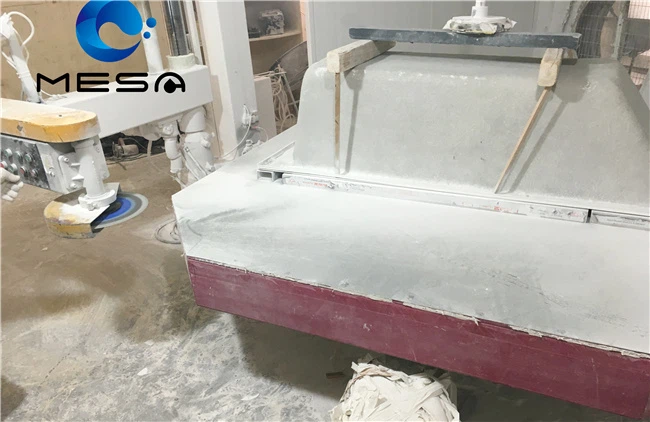
Step 5: Edge cutting
After reinforcement, the bathtub will harden and start edging. Cut the excess out of the bathtub
Step 6: Docking
If the tub is 2-pieces, then we need to connect the inner tub to the outer tub. Use glue and docking tools to secure the joint, and finally polish the joint with a knife to make sure it is seamless.

Step 7: Punching
Drill the required holes, depending on the type of bathtub and other sanitary ware.

Step 8: Bracket
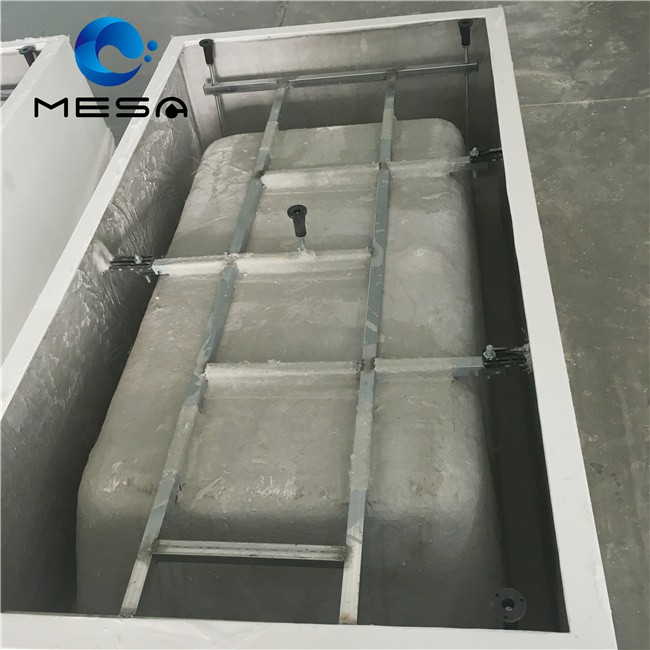
Brackets can be made of stainless steel, zinc alloy, etc. Usually, for jacuzzis, we use stainless steel threaded rod support, which is rust-resistant and easy to adjust. For freestanding bathtubs, we use zinc alloy support. The quality of the bracket usually determines the life of the acrylic bathtub and also affects the safety of the bather. Therefore, the bathtub bracket should be very strong and stable.
Step 9: Polishing
The surface of the bathtub should be polished. Knives, sandpaper, wool machines, and other tools are generally used to polish the surface of the bathtub to ensure that it is bright and smooth
Step 10: Assembling
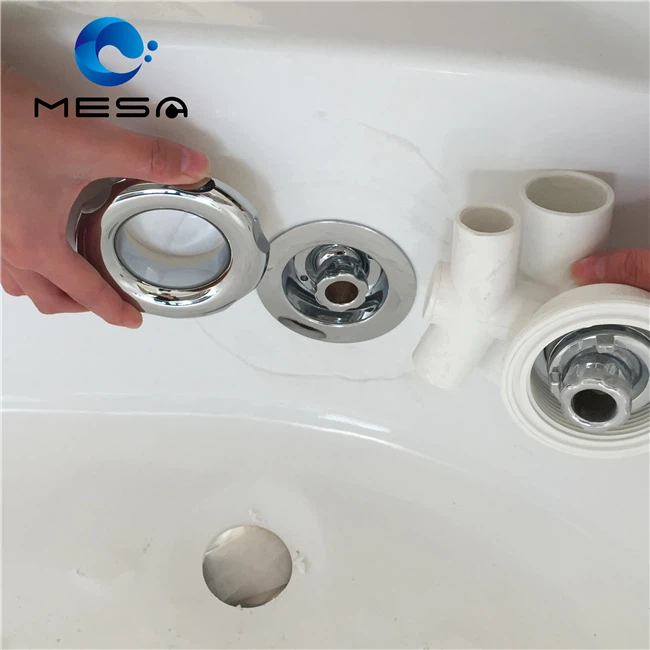
To ensure safety, waterproofing is essential when installing plumbing parts and electrical accessories.
Step 11: Water testing
If it is a jacuzzi, because there are many configurations and functions, and the possibility of leakage is higher, we will test the water of each jacuzzi to ensure that every function can be used normally and there is no leakage problem.

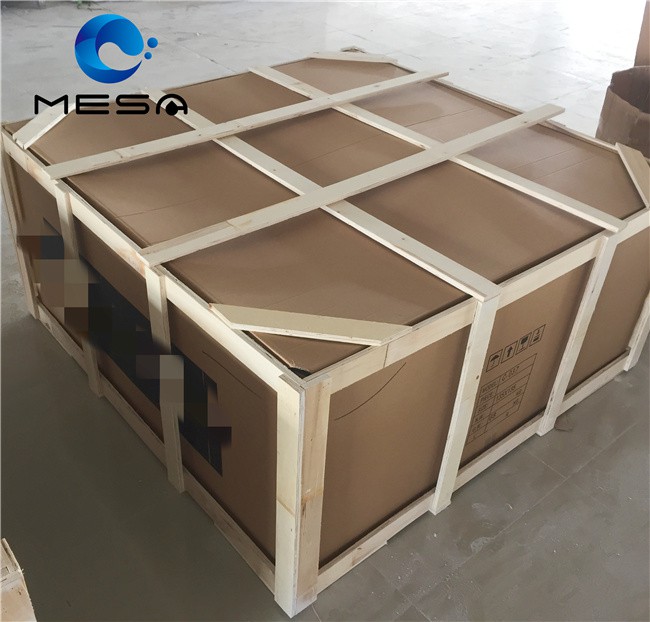
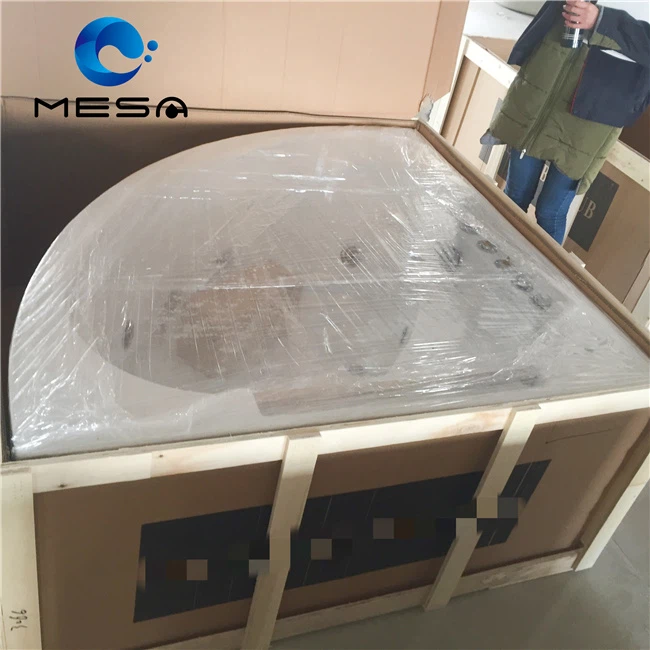
Step 12: Packing
Adopt different types of packages for different types of bathtubs to ensure the safety of the product in transit and prevent it from being lost or damaged.
Generally, our packing is :
Inside: bubble and foam
Outside: Carton and wooden crate.
Manufacturers have suggested hygiene to various products that have been converted to new forms, and style solutions have various options. First, there were cast iron baths and then lighter steel and aluminum baths. The appearance of polymers brought a revolution to the production of consumer goods. Hygiene work was not aside. In each form, acrylic is considered the ideal material. However, it also has its operating conditions. The most common wear on acrylic bathtubs is cracking or chipping. Cracks result from prolonged wear and various objects that fall into the bathtub. Advances in modern technology make it possible to treat even the most complex injuries. Prepare a drill, sandpaper, and acrylic bathtub repair kit in advance to repair the acrylic bathtub.
Benefits of an Acrylic Tub
Acrylic bathtubs come in a variety of shapes, designs, and sizes. It's one of the cheapest bathtub materials and is usually very lightweight, so it's easy to install and repair when you need it. The specific benefits of acrylic bathtubs are:
Lightweight
Acrylic bathtubs are made of acrylic and fiberglass and are much lighter than bathtubs made of other materials. This reduces stress on the bathroom floor, simplifies the installation of bathtubs, and facilitates repairs if needed in the future.
Come in a Wide Variety
When it comes to acrylic bathtubs, there is a lot of flexibility in design, shape, and size. In short, you can find a bathtub that suits your style and needs. Acrylic bathtubs are much cheaper to manufacture and offer a wide range of options at the most affordable price.
Affordable
Acrylic tubs are essentially fiberglass-reinforced tubs, which are about as flexible in cost as design pallets. Acrylic tubs are often more expensive than pure fiberglass tubs, but much more affordable than most other materials such as porcelain and cast iron.
Durable
Acrylic bathtubs also use fiberglass, a fragile material, but acrylic material eliminates most of the fiberglass durability issues. Acrylic is non-porous. This means it doesn't absorb water and you don't have to change the tub frequently. This makes it a much more durable material option with longer life and less cracking and cracking.
Acrylic Tubs Compared to Other Materials
Depending on your budget and needs, acrylic bathtubs have many advantages over other material options. Here are some comparisons to consider:
Acrylic Tubs Vs. Fiberglass
Compared to fiberglass, acrylic tabs are superior in many ways. The acrylic bathtub construction method offers most of the benefits of fiberglass while removing many shortcomings.
It's durable, hard to break, long-lasting, requires fewer repairs, lightweight, and affordable. Also, acrylic bathtubs do not tend to turn yellow like fiberglass bathtubs.
Acrylic Tubs Vs. Porcelain
Compared to porcelain, acrylic bathtubs are much lighter, warmer, more durable, cheaper, and require less long-term maintenance.
Acrylic Tubs Vs. Cast Iron
Compared to cast iron tubs, acrylic tubs aren't the same in terms of life and durability, but in terms of weight and affordability, they outperform landslides. Iron tubs are expensive, very heavy, tend to be difficult to install, and often require floor reinforcement.
By direct comparison, most acrylic bathtubs tend to weigh about 75 pounds, while cast iron bathtubs can weigh more than 300 pounds.
Looking to Upgrade Your Tub?
You came here wondering, "What is an acrylic bathtub?" "What is an acrylic bathtub made of?" "What is an acrylic bathtub manufacturing process?"
MESA Shower offers high-quality materials and unmatched craftsmanship. This is because the quality you notice often comes from details you don't notice.
If you would like to upgrade your bathroom with a new tub or shower, please email jessica@mesashower.com, request a quote online today, or arrange a free consultation at home.


