


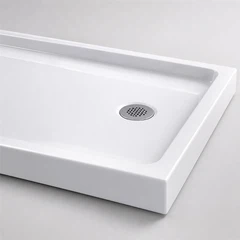



Everything you need to know about an Alcove Bathtub: History to Installing it.
This popular bathtub style is popular for good reason. Here's what to know before buying a new alcove tub.
The alcove is a bathtub with three sides surrounded by walls.
The bathroom is an important part of new construction and remodeling, and the bathtub is a big piece of the puzzle. Bathtubs, jet tubs, free-standing tubs, shower tray combinations, and many other options make bathroom personalization easier, but make purchasing decisions more difficult.
The alcove bathtub is not a bathtub type, but a method of installation. This term means that the bathtub is installed between the bathroom alcove. This means that bathrooms often have three connecting walls or pocket alcoves, and some modern designs have two walls or large windows to remove narrow areas. The nature of this installation method. Adding shower curtains and sliding doors is quite common. This installation method leaves an open space where privacy is not very secure.
The History of the Alcove Bathtub
As you may know, the bathtub is a fairly old invention, dating back to ancient Rome. But, the built-in bathtub was the latest to begin in the early 1900s when companies like Kohler adopted a bathtub design to accommodate people with space constraints who couldn't have a flatfoot bathtub in their bathroom. Innovation. The shallow-footed tub was calm and elegant, but its high verticality was notoriously difficult and cumbersome to clean. This will incorporate a bathtub that is closed on one side. This bathtub was very efficient as it could run at the same height as the entire bathroom wall and could improve access to its surface to save space and easy maintenance. Although modern bathtubs have evolved in many ways, the alcove design is still popular today, offering all the conveniences of a regular bathtub in a small space.
Common Alcove Sizes
Alcove tubs offer a lot of space savings for your bathroom, but they are not particularly flexible in size. Their average size is about 48 inches (4.5 feet) long, 25 inches (2 feet) wide, and about 16 inches (1.3 feet) deep. It comes in larger sizes, 72 inches (6 feet) long, 42 inches (3.5 feet) wide, and 20 inches (1.6 feet) deep. In general, alcove bathtubs are a bit more limited in size and design and fit in a size range of 4.5 feet 6 feet long and 2.5 feet to 3.5 feet wide. This is because it is made to fit almost every bathroom size profile. So, if the bathroom is a little larger, the alcove maybe a little smaller.
Different Types of Alcove Tubs
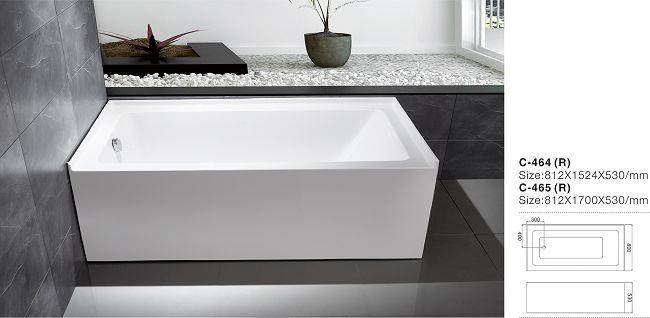
Because the alcove tub is considered the flagship or standard tub model, it often comes with a shower that combines the shape and functionality of the shower with the compact nature of the alcove design. Even if your home only has a bathtub between the usual alcove, installing a shower is easy and adds value to your home. However, in addition to saving bathroom space, there are various styles of alcove bathtubs that play a more therapeutic role. Adjustable and powered jets are available on some models to ensure a more relaxed bathing experience. Some have deep water levels, but they can be soaked deeper, which is useful for oil baths and muscle relaxation. The great thing about all these types is that they are all within the size range mentioned above, so even if the bathroom is reasonably sized, you can still maintain the additional benefits of a high-quality bathtub.
Alcove Tub Materials
When choosing your new tub, you have a choice of some popular materials. Cost, durability, weight, etc. vary depending on the material.
Familiar alcove bathtubs are often made of fiberglass or acrylic. Yet, other materials can make this tub more suitable for your specific needs. These are the most popular materials for niche bathtubs.
The most common materials for alcove-style bathtubs are fiberglass, acrylic, cast iron, and stone resin. Each has its strengths and weaknesses, but in the end, the final decision is largely budget-dependent.
●Acrylic or Fiberglass
These are the most common materials for bathtubs. Fiberglass is the foundation of everyone, but acrylic tabs are layers of hardened acrylic on top of fiberglass. This gives a smooth surface that is more resistant to scratches and dents than fiberglass. Both acrylic and fiberglass are extremely lightweight and easy to install but do not retain heat like the other options. However, the price of these tubs is pretty good for those who stick to tight budgets.
Fiberglass is made by forming a layer of fiber-reinforced plastic and then laminating the plastic onto a sheet into a gel-coated resin-coated mold. Fiberglass has always been the cheapest material choice, but due to its porosity, it warps and becomes unstable over time, shortening its lifespan. Also, it cannot withstand a strong impact and is easily chipped.
●Cast Iron
Bathtubs between cast iron alcoves are some of the most common in old homes. These are heavy tubs of molten iron that have been poured into a mold and covered with a porcelain coating. This finish is extremely resistant to scratches, stains, and chips. Cleaning cast iron is very easy as it can withstand the chemical cleaning agent you want to use. The tub between the cast iron alcove is extremely durable and easily lasts longer than the homeowner. This material is a more expensive option due to its durability and additional installation work.
●Enameled Steel
These tubs are made from steel-based and appear like forged iron, but they're much easier. A compromise is that you just keep heat and forged iron.
Enamel Steels are exactly sound-the bottom of the steel is roofed with an enamel coating. Porcelain's email can withstand scratches, coloring, blasting, and rough chemicals. These tubs may take longer, but this might not be as long as forged iron is done. they're cheaper than forged iron but slightly costlier than fiberglass and acrylic.
●Stone Resin
This material is formed by crushing real stone and mixing it with a special resin polymer. The resulting cast stone is typically coated with a durable finish that mimics the color of the initial stone. This material is very proof against scratches and other damage retains heat well and is incredibly easy to scrub. But it's pretty heavy-similar to forged iron. More braces could also be needed underneath to support the load. Expect prices like forged iron for this high-quality material.
Styles of Alcove Tubs
Alcove Tubs are very hip and are often combined with showers to make a cohesive bathroom unit. it's often standard in new buildings, as installing a shower with a distinct segment tub is extremely easy and popular. this suggests that the alcove between the floors may require curtains or sliding glass doors to stay water inside and maintain privacy when taking a shower.
The alcove tub may be customized to make the specified bathing experience. you'll find a model with a powered jet that gives a whirlpool effect. you'll be able to also find a tub that's a touch deeper than usual and you'll be able to soak it deeper. All tubs are within the fundamental dimensions of the bathtub between the alcove. So even high-quality models slot in the tiny low bathroom.
Alcove vs. Drop-in Tubs
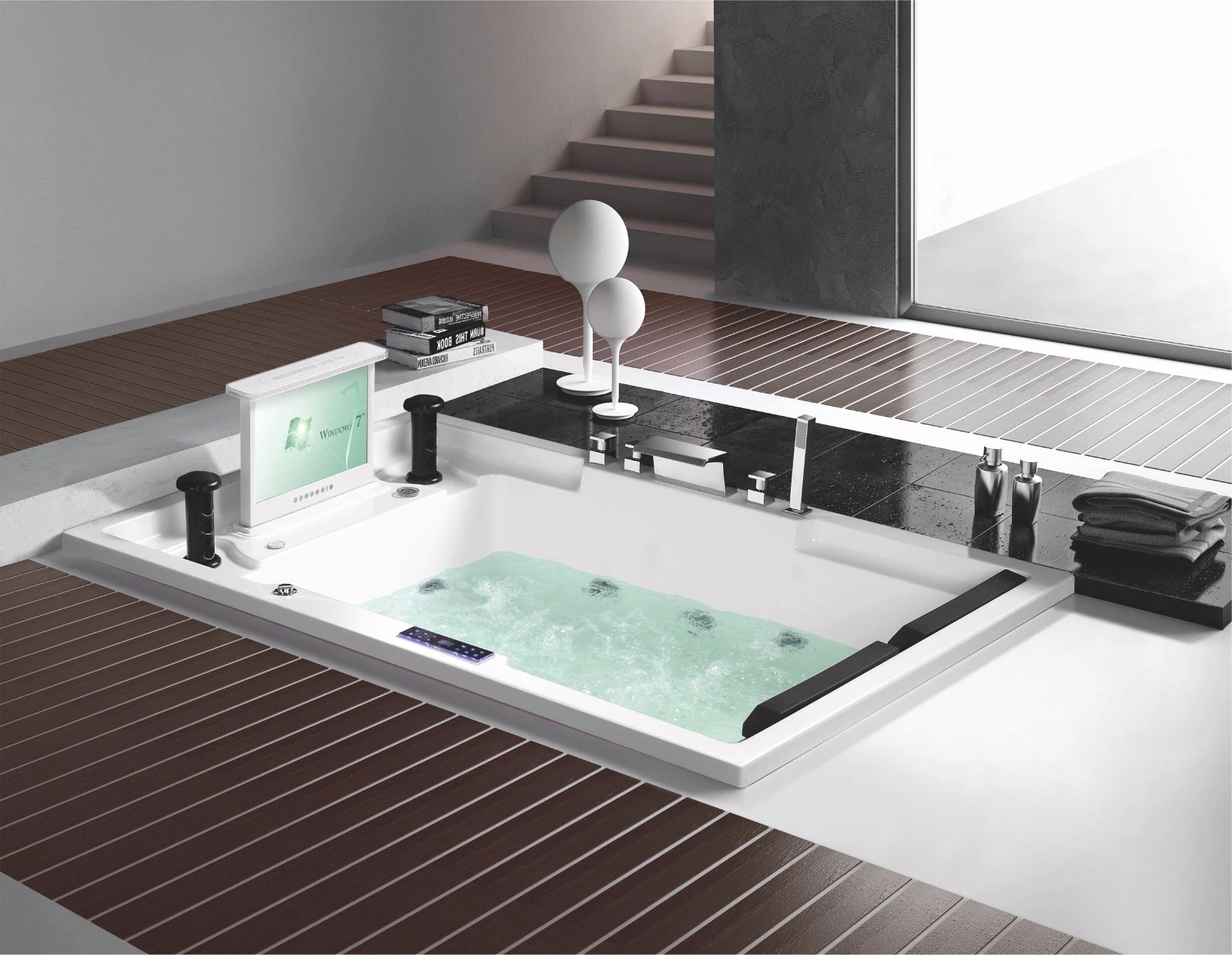
The alcove tubs slot in the space surrounded by three sidewalls. Drop-in tubs may slot in other places where multiple sides must be completed. for instance, there are also several built-in bathtubs within the middle of an expensive bathroom. during this case, all faces are finished.
If you've got a tiny low bathroom and space is proscribed, an alcove bath is good. Drop-in tubs are utilized in areas where space may be a bit wider and style options are flexible. For maintenance, the big area around the built-in tub makes cleaning a touch tougher than a tokonoma tub. But if the ingredients stay identical, apart from a bit longer, with less hassle.
Installing an Alcove Bathtub
To install an alcove bathtub, you initially have to measure your area for where you wish to put your bathtub.
After you've got measured out your bathtub, roll your bathtub into the space to start measurements for your rail. A rail may be a piece of board that is your support against the sides of the wall. Mark the highest of the flange on the wall studs with a pencil. together with your studs and rivets marked, you'll have to take the peak of your bathtub and measure that very same distance below the reference line on each stud. This acts as a mark on the highest of the new stringer that must be installed. Cut 2x4 to the length of the new tub and use the deck screws to connect it to the stud with the new reference mark you created.
After installing the rail, install the shoe mount between the bathtub and drain consistent with the manufacturer's specifications. Wrap it around a brand new drainage flange with a plumbing putty and screw it into a replacement thread. Then connect the overflow valve and place it behind the bathtub to secure the duvet plate inside. Once you connect them to form an intersecting T formation, you're done. With the plumbing sorted, apply a 2inch layer of mortar with a trowel then carefully move the bath into place. If done correctly your drain flange should rest on the stringer that was installed along the rear wall. ensure its level after securing it, then apply finishing touches by securing the flange with nails. because the routine standard for many homes, alcove bathtubs are relatively easy to put in, requiring some hours and roughly $70100 of kit. If you do not know the procedure, please consult an expert before installing.
Final Thoughts
With such a lot of bathtubs to decide on from, it's even as important to understand the worth range and workspace. it's going to not be as attractive or luxurious because the other bathtubs on the market, but the alcove bathtub is often a secure choice because of its affordability and tiny footprint, but it's ultimately up to you.


