





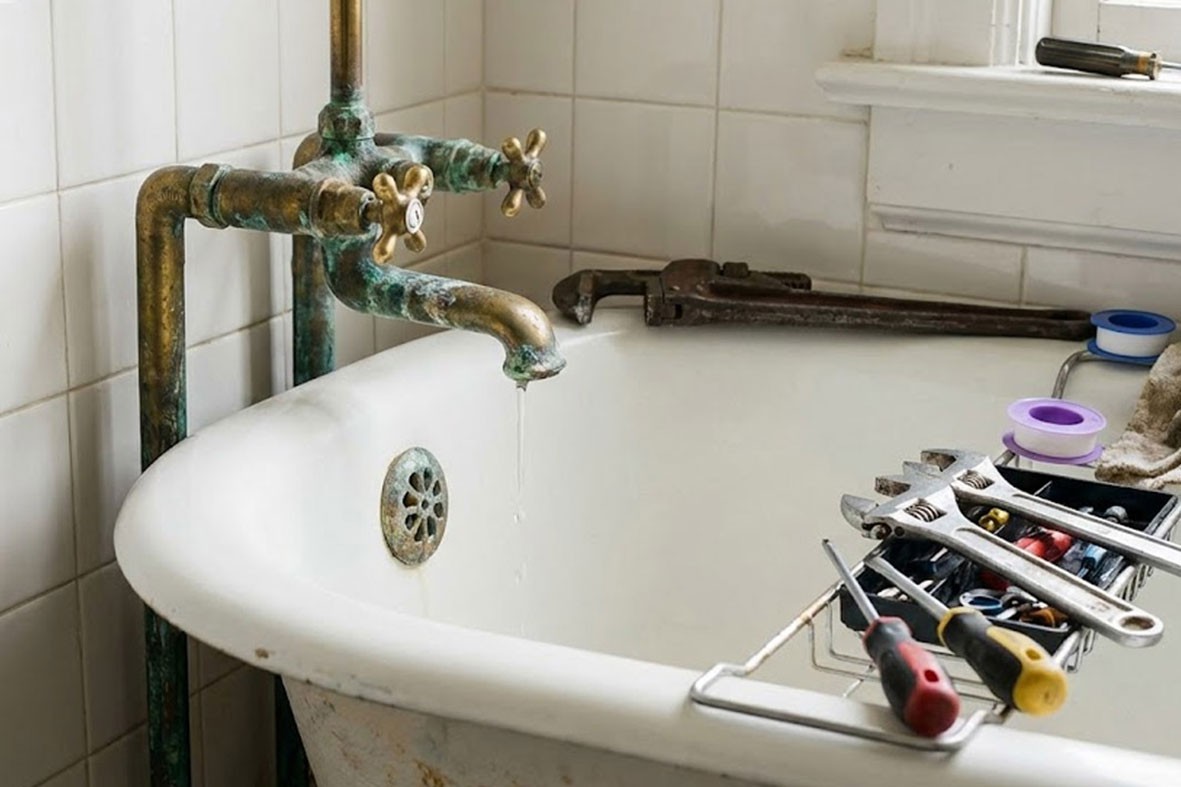
Have you ever encountered a leaking bathtub faucet in your daily life?The "drip, drip, drip" sound of a leaky faucet is not only annoying but also wastes water and increases water bills.So, how to fix a dripping bathtub faucet becomes the question.This comprehensive guide will walk you through the entire repair process, with a special focus on challenges unique to winter, helping you restore peace and efficiency to your bathroom.
I. Why does bathtub faucet leaking occur?
Bathtub faucet leaks are often caused by external factors such as improper installation or excessive water pressure.Other problems can arise due to internal aging and wear, such as worn-out faucet valve cores, aged gaskets, and failure of the sealing tape at threaded connections.
II. Why are your faucets more likely to leak in January? (Winter factors)
You might notice that as winter arrives and temperatures drop sharply, the sound of your bathtub faucet dripping becomes more frequent!This is not a coincidence; it's because the low temperature causes the rubber gaskets and O-rings inside the faucet to lose their original elasticity, or even become brittle and crack.These bathtub faucet cartridges will not fit tightly, causing water to leak from the gaps.At this point, a simple bathtub faucet replacement becomes particularly important.
III. Preparation: List of required tools
Before you begin to fix a leaky bathtub faucet, you need to prepare the necessary tools and materials.
• Hex wrench: Used to remove the hex screws on bathtub faucet handles.
• Screwdriver (Phillips or flathead): Used for removing decorative covers or fastening screws.
• Adjustable wrench or pipe wrench: Used for tightening or loosening larger nuts. It is recommended to wrap the wrench with a cloth strip to prevent scratching the metal surface during operation.
• PTFE thread seal tape: Used to ensure a watertight seal when reinstalling threaded connections.
• Bathtub faucet replacement parts: Based on the inspection results, prepare a new bathtub faucet cartridge or washer kit. (It's best to take the removed part to the hardware store to find a matching model)
IV. Six steps to teach you how to repair a leaking bathtub faucet.
If you have all the necessary parts, most bathtub faucet repairs can be completed within an hour by following this guide.
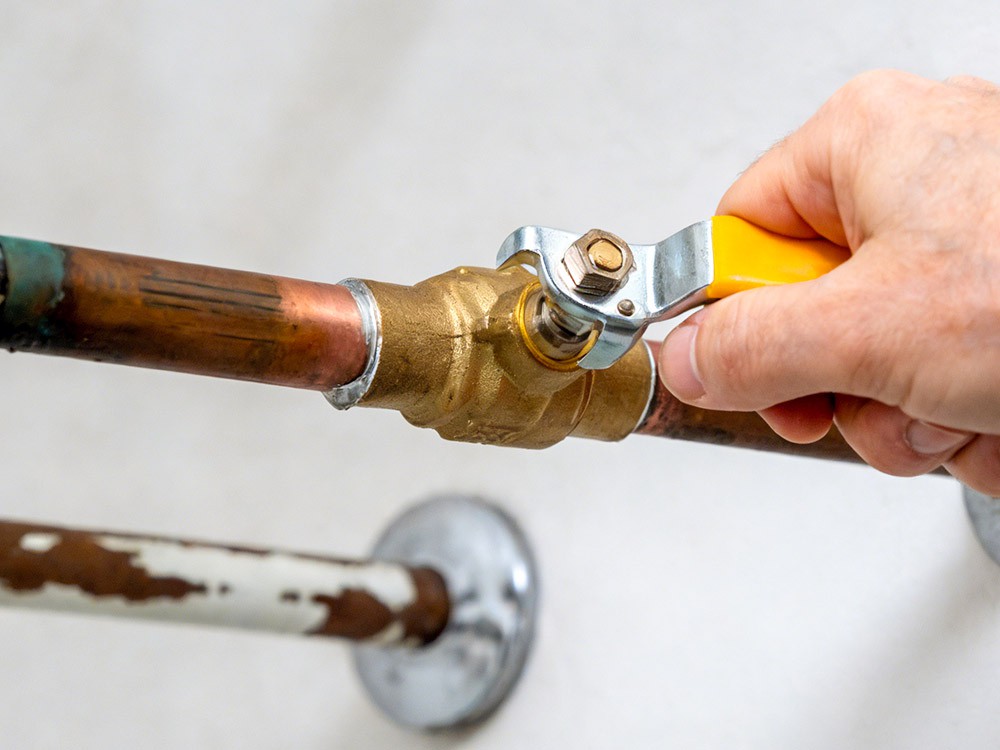
1. Turn off the water supply:
· This is the most basic first step: first, locate the water supply valves for the bathtub faucet. These are usually located inside a wall access panel near the bathtub or under the sink. Rotate them clockwise to turn them off.
· If you can't find the bathtub water supply valve, try looking for the main water shut-off valve for the bathroom. It's usually located in the basement, crawl space, or outside near the electrical panel.
· After turning off the water supply, open the bathtub faucet to drain any remaining water from the pipes. This will release pressure and ensure the water is clear before disassembling the fixtures.
2. Disassemble the bathtub faucet handles.
· Locate the small decorative cover on the handle (usually marked with "C" for cold or "H" for hot). Gently pry it open with a thin blade or small screwdriver.
· The internal fixing screws are now exposed; use a suitable screwdriver or Allen wrench to unscrew them.
Grasp the bathtub handle, gently rock it from side to side, and lift it upwards to remove it from the valve stem.

3. Inspect and remove the valve core.
· After removing the bathtub faucet handles, you will see the valve cartridge, which is usually secured by a large retaining nut.
· Use an adjustable wrench to unscrew this retaining nut counterclockwise.
· Carefully pull the valve core out of the valve body.This is a crucial step in replacing a bathtub faucet cartridge.Carefully examine the removed old valve core, checking its rubber seals for cracks, wear, or scale buildup.

4.Replace the gasket and filter element.
After removing the faucet, whether the bathtub will be completely leak-free depends on the type of internal hardware used in your faucet.
• Compression faucets (washer type):Replace the rubber gasket with a new one. If it still leaks after replacement, the problem may be with the valve core.
• Cartridge-type faucet:Using pliers, gently pull the valve core straight out of the valve body.Note the direction of the "tabs" or grooves on the valve core.The new valve cartridge must be installed in the exact same position to ensure proper mixing of hot and cold water.
5.Cleaning and lubrication:
· Before installing the new valve cartridge, use an old toothbrush and white vinegar to clean any scale or debris from inside the valve body. Ensure the inside is clean and dry.
· Applying a thin layer of heat-resistant pipe lubricant to the O-rings of new gaskets or valve cores will ensure smoother operation and extend the lifespan of the seals.
6.Reassembly and testing:
① Insert the new valve core into the valve body, ensuring it is in the correct direction and position.
② Retighten the retaining nut, but be careful not to overtighten it, as this could damage the threads or crack the valve core.
③ Reattach the handle and tighten the fixing screws, then replace the decorative cover.
④ Gradually restore the water supply. Let the tap run for one minute to clear out any air or debris, then turn off the tap.
⑤ Turn on both the hot and cold water taps separately to test if the faucet is working properly, and observe carefully for at least a few minutes to confirm that all dripping has completely stopped.

V. Repair or replace?
When should you choose to replace the entire bathtub faucet?
Generally speaking, repairs are relatively economical and affordable.However, sometimes, depending on the specific circumstances and considering the long-term perspective, completely changing the bathtub faucet might be a more suitable option.So, under what circumstances is replacement necessary?
• Severe corrosion: If the valve core inside the faucet is severely corroded, simply replacing the valve core will not completely solve the leakage problem.It's also possible that the leak will continue due to damaged threads or an uneven connection.
• The cost of replacement parts is excessively high: For some older brands and models, there is very little stock available on the market.The price of a perfectly matching replacement valve cartridge can be close to, or even exceed, the price of a complete set of brand-new bathtub faucets.
• Comprehensive upgrade requirements: If you're undertaking a bathroom renovation, a set of modern luxury bathtub hardware can not only provide a long-lasting solution but also enhance the overall aesthetics and value of your bathroom.A set of exquisite freestanding bathtub faucets will perfectly complement an elegant acrylic freestanding bathtub , creating the bathroom of your dreams.
VI. FAQ Section
Q1: How much does it cost to fix a leaky bathtub faucet?
The cost varies depending on the repair method and location:
•DIY repair: The main cost is replacing parts, such as valve cartridges or gasket kits, which typically cost between $5 and $20, plus basic tools.
•Professional Plumber: The cost includes service and labor fees, typically starting at $100-$200 or more, depending on the location, the complexity of the problem, and whether special parts are required.
Q2: Can a leaky faucet increase my water bill?
Absolutely. Even a slow drip can waste a surprising amount of water:
• Quantifying waste: A faucet that drips only 10 drops per minute can waste up to 8 gallons (approximately 30 liters) of water per day.
• Long-term impact: Over the course of a month, this will waste approximately 240 gallons of water, directly increasing your water bill.
• Environmental recommendation: Timely repairs are not only an economical choice but also a responsible way to use water resources.
Q3: How to fix a leaky double handle bathtub faucet?
The principle is basically the same as a single-knob bathtub faucet, but it requires two separate control valves to handle the hot and cold water independently:
• Isolation of the problem: Usually, leaks only occur on either the hot or cold water side. You will need to turn off the main water valve and then proceed with the following steps.
• Side-by-side repair: Remove the hot and cold water handles one by one, and inspect the valve core or gasket and valve seat inside each valve.
• Targeted replacement: The valve on the leaking side is the key component that needs replacing. Please ensure the new part is a perfect match for the old model.
VII. Conclusion
Fixing a leaky bathtub faucet is not a difficult task.By following this guide, most people can quickly complete this DIY repair.Regular inspections and minor maintenance are key to preventing problems.
However, if your bathroom fixtures are old, repeated repairs may only be delaying the inevitable.Investing in durable bathroom fixtures made from high-quality materials (such as brass bodies and ceramic cartridges) is a wise decision that fundamentally eliminates problems and ensures a comfortable bathing experience.


