


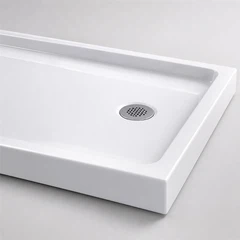



A clogged bathtub drain is a common household frustration that can quickly escalate from a minor slow-drain issue into a stagnant water nightmare. Beyond the annoyance, standing water can lead to persistent odors and bacterial growth, compromising your bathroom's hygiene.
In this guide, we combine expert plumbing insights with practical DIY steps to help you restore your drain's flow. Whether you are dealing with a simple hair clog or persistent buildup in an older home, this article provides the solutions you need.

1.Why is Your Bathtub Clogged? Identifying the Source
Understanding the "why" is the first step toward the "how." Most clogs are a combination of several factors that accumulate over time:
- Hair and Product Residue: Long hair is the leading cause of blockages. Statistics show that approximately 75% of bathtub blockages in women are caused by hair. When shed hair combines with sticky ingredients (such as silicone oil and softeners) in shampoo, conditioner, and shower gel, it forms a viscous substance similar to a fishing net. This substance adheres to the inner walls of the pipes and, like a snowball, continuously traps more hair and impurities, eventually forming a solid blockage.
- Soap Scum and Body Oils: The fatty acids in traditional soaps and some bath products react chemically with calcium and magnesium ions in tap water to form water-insoluble "soap scum." This grayish-white, viscous substance accumulates layer by layer on the inner walls of pipes. At the same time, sebum secreted by the body and bath oils also adhere to it, making the pipe walls rougher and more likely to trap any impurities flowing through.
- The P-Trap Problem: Underneath every bathtub is a U-shaped or P-shaped bend called a water trap. Its main function is to use the stagnant water to block foul odors and harmful gases from the sewer. However, this crucial bend is also a "natural parking lot" for blockages. All debris flowing through this area tends to settle and accumulate, especially small items (such as earrings or bottle caps), which can easily become stuck and cause a complete blockage if they fall in.
- Hard Water Mineralization: In areas with hard water, the water contains high concentrations of calcium and magnesium ions. As hot water evaporates and temperatures change, these minerals gradually precipitate out, forming a hard layer of scale on the inner walls of pipes. Like plaque in blood vessels, the scale thickens year by year, narrowing the pipe's diameter and significantly reducing drainage efficiency. This blockage process is slow but extremely stubborn, usually requiring specialized equipment for treatment.
2.Step-by-Step DIY Solutions: From Simple to Advanced
Level 1: The Natural Flush (Baking Soda & Vinegar)
For minor clogs or routine maintenance, avoid harsh chemicals that can damage your pipes.
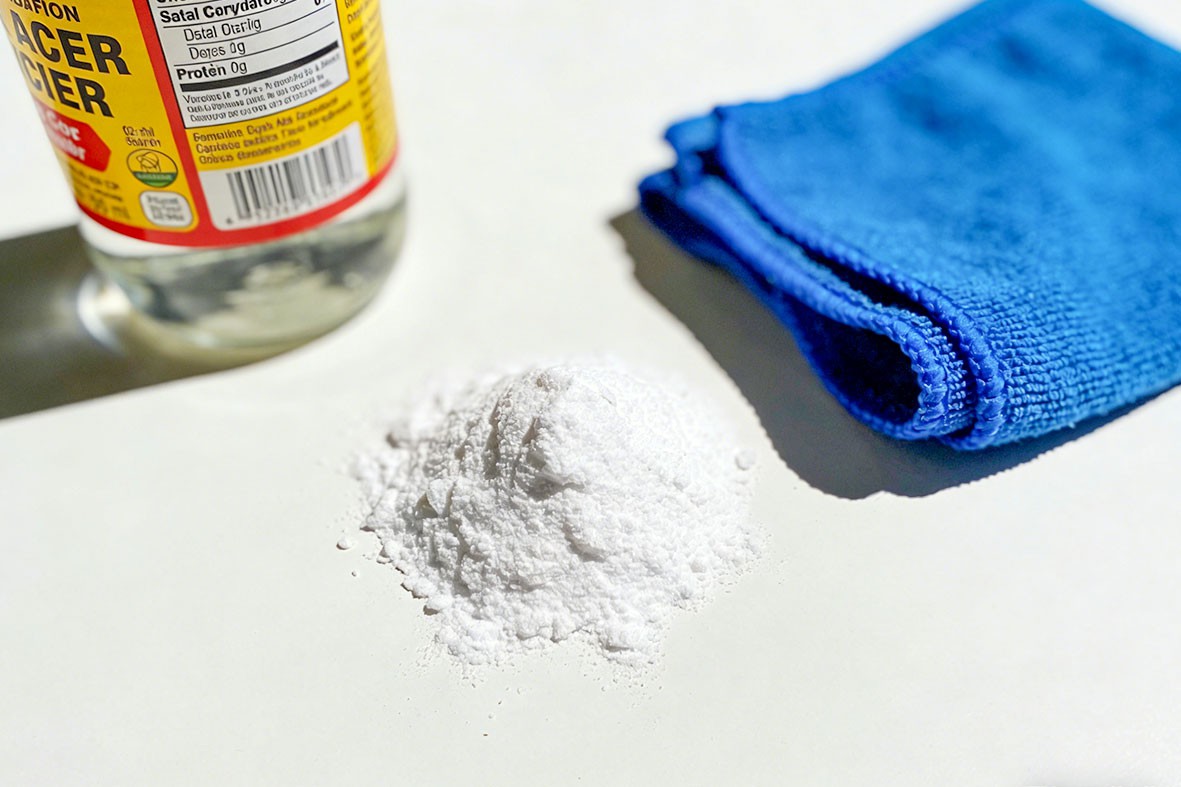
- Pour 1/2 cup of baking soda into the drain.
- Follow with 1/2 cup of white vinegar.
- Cover the drain with a damp cloth to trap the carbon dioxide reaction, which helps break up organic matter.
- After 20 minutes, flush with hot water (80-90°C).
Level 2: The Manual Extraction
If you can see the clog near the surface, manual removal is the most direct solution. Use a pair of needle-nose pliers or a plastic drain-cleaning tool (Zip-it) to hook and pull out hair clumps.
Level 3: The Plunger Technique
To use a plunger on a bathtub, you must create a vacuum.
- Important: Block the overflow hole (the metal plate on the tub wall) with a wet rag.
- Fill the tub with an inch of water to submerge the plunger cup, then apply 10-15 vigorous pumps.
Level 4: The Plumber's Snake (Auger)
For deeper blockages, feed a 1.5-meter bathtub drain snake into the pipe. When you feel resistance, rotate the snake to "grab" the clog, then slowly retrieve it.

3.Special Considerations for Different Tub Types
The material and age of your bathroom fixtures play a significant role in maintenance.
Modern Acrylic Tubs
If you are using a modern acrylic freestanding bathtub , you have the advantage of a smoother surface that resists dirt better than traditional cast iron. However, these surfaces are sensitive to abrasive cleaners and heavy-duty chemicals. To ensure your tub remains a centerpiece of your bathroom, it is essential to follow specific care protocols. For detailed instructions on protecting your tub's finish, read our guide on how to clean and maintain your acrylic bathtub.
Challenges in Older Homes
If your home is older, your pipes may be made of cast iron, which can become rough and corroded internally. This roughness makes it easier for hair and soap to snag. In these cases, avoid caustic drain cleaners entirely, as they can accelerate pipe corrosion and lead to costly leaks.
4. When Should You Call a Professional?
While DIY methods work for most clogs, some signals indicate a professional plumber is needed:
- Total Blockage: If multiple methods fail, the clog may be deep in the main sewer line.
- Sewage Backflow: Water backing up from other drains is a sign of a structural plumbing failure.
- Persistent Odors: If the smell of "rotten eggs" persists after cleaning, there may be a problem with your venting system or a broken trap.
FAQ: Frequently Asked Questions
Q1: Can I use boiling water on all pipes?
A1: No. If you have PVC (plastic) pipes, boiling water at 100°C can soften the joints. Use very hot tap water (around 80°C) instead.
Q2: How do I prevent hair from entering the drain?
A2: The most effective prevention is a silicone hair catcher or a "TubShroom." It is also helpful to brush your hair before bathing to remove loose strands.
Q3: Are chemical drain cleaners safe for my bathtub?
A3: We generally discourage them. They are highly corrosive, harmful to the environment, and can damage the glossy finish of your bathtub if splashed.

5. Proactive Maintenance Habits
- Weekly Rinse: Flush your drain with hot water once a week to clear away fresh soap residue.
- Clear the Stopper: Remove the drain stopper once a month to clean any hair trapped around the mechanism.
- Mind the Products: Avoid pouring oily body scrubs or heavy conditioners directly down the drain without a hot water chase.
By following these steps, you can keep your drainage system efficient and prolong the life of your bathroom fixtures.


