





Have you ever encountered a clogged drainpipe, a leak, or wanted to replace old plumbing fixtures, only to discover that you don't know how to remove the bathtub drain?
Nowadays, there are numerous different types of water stoppers available on the market, and each one has a different method of removal.This is especially true for users who own acrylic freestanding bathtubs , because although acrylic material is aesthetically pleasing and retains heat well, its surface is relatively soft, requiring more delicate handling techniques when removing metal fittings.
This article will provide a detailed description of the disassembly methods for these various products from multiple aspects, enabling you to become proficient in DIY after reading it.

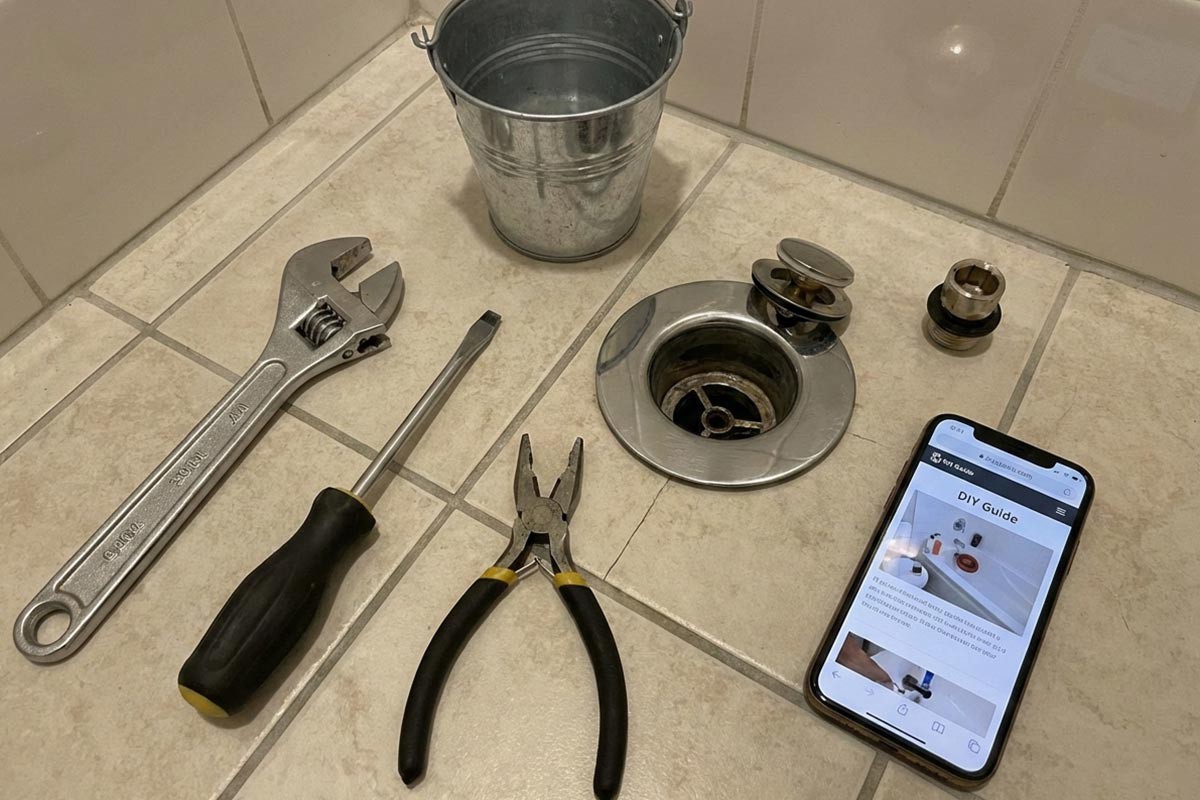
I: What You'll Need
- Flathead screwdriver
- Philips screwdrivers
- Channel-lock pliers
- Adjustable wrench
- Drain wrench or drain key (optional)
□ Tub drain extractor (optional)
□ Drain removal pliers (optional)
II. Core Anatomy: Components of a Bathtub Drainage System
Before picking up a wrench, we need to understand the bathtub's drainage system just as a doctor understands the human body. A typical drain assembly includes the following key parts of the bathtub:
- Bathtub water stopper: Located at the top, it is used to control water filling and draining.
- Drain Flange:The circular metal piece at the bottom of the bathtub has external threads and is secured by screwing it into the pipe below.
- Bathtub drain pipe: This is the L-shaped connector located beneath the bathtub, into which the flange is screwed.
- Crossbars: These are "X"-shaped metal structures located inside the flange, providing support.
- Seals and Putty: There is usually a rubber gasket or plumber's putty between the flange and the bathtub; this is the last line of defense against leaks.
III.Prepare to remove the bathtub drain.
- Safety Equipment: Before starting work, it's necessary to wear protective gear, if needed, to protect yourself from debris and cleaning chemicals.
- Bathtub protection: Place towels or similar materials around the bathtub drain stopper to prevent the screwdriver from accidentally damaging the bathtub liner.
- Tool Preparation: Place all the mentioned tools within easy reach.
IV. Bathtub drain stopper types and removal
All the preparations were made, but facing the different types of bathtub stoppers, it's very easy to get confused.Therefore, we must first understand the various types of bathtub drain stoppers and how to remove them.

1.Lift and turn bathtub drain stopper
This is the most common type. It usually has a small knob on top.
Identification method: Lift the stopper upwards and rotate it; it will then lock into the "open" position.
Disassembly plan:When the bathtub plug is in the "open" position, is there a small locating screw visible from the side?If present, use a small Allen wrench or flathead screwdriver to loosen it. If not, simply rotate the entire stopper counterclockwise by hand until it detaches from the central threaded rod.

2.Push-Pull & Toe-Touch
The bathtub drain plug can be controlled by pressing it.
Identification method: By pressing the stopper with your hands or feet, the stopper will either pop up or fall down.
Disassembly plan:First, make sure the bathtub drain stopper is in the open position.Hold the bottom disc with one hand and rotate the top cap counterclockwise with the other hand.After removing the cap, you will find a large brass bolt in the center, which you can then remove with an adjustable wrench.

3.Flip-Lever
It is operated by a small lever, which is a relatively old-fashioned design.
Identification method: The stopper usually has no threads and is simply placed directly over the drain opening.
Disassembly plan:Flip the small lever to the "on" position, then simply grasp the stopper cap and pull it out.

4.Pop-Up Stopper with Linkage
The mechanism is quite complex and is controlled by a lever on the bathtub's overflow plate.
Identification method: By moving the lever on the overflow plate, the stopper will automatically pop up.
Disassembly plan:First, try pulling out the drain plug directly.If you can't pull it out, it means it's caught on the rocker arm below.Then you will need to unscrew the two screws on the overflow plate, and then pull out the entire connecting rod along with the stopper.

5.Pres-Flo or Chain
Simple structure, easy to disassemble.
Identification method:As the name suggests, a chain stopper has a small chain or a ring at the top. A filter stopper, on the other hand, typically has a rubber ring surrounding a circular object in the middle of the flange.
Disassembly plan:The chain can be easily lifted out.This is a simple filter plug, which is secured by friction between the rubber and the flange.Therefore, you need to use a bathtub plunger to suction it out, or use a flathead screwdriver to pry it out.
V. Removing the drain flange
After removing the drain plug, you will see a crossbar inside the flange. Due to years of dirt and corrosion, the flange and the drainpipe have become "welded" together.
1.Use a professional drain wrench
Using the tub drain wrench, insert the wider ends into the flange, engaging them with the crossbar in the center of the flange. Then, use an adjustable wrench through the central hole to provide leverage and rotate counterclockwise.
2.Rotate slowly
If the flange does not rotate when you try to turn it, do not apply excessive force, otherwise the crossbar will break.You can choose to use a hairdryer set to the hot air setting and blow it onto the flange edge for 3-5 minutes.After the plumber's putty has softened, rotate it slowly.
VI. Dealing with unexpected situations – rust and breakage
What should be done if the crossbar inside the flange breaks?
Option A: Use a bathtub flange extractor, which is a conical tool with reverse threads.You'll need to use a hammer to tap it into the flange. As you rotate it counterclockwise, it will grip the inner wall of the flange tightly, like teeth.Then use an adjustable wrench to remove it along with the flange.

Option B: Use a miniature hacksaw to cut two grooves into the inner wall of the flange, then gently tap the flange with a hammer and chisel.The flange will become loose and fall off due to damage to its structure.Caution! Place a towel at the bottom of the bathtub during operation to prevent scratching the bathtub surface.
VII. Bathtub Maintenance and Installation Suggestions
Once you've successfully removed the bathtub drain stopper, the next step is cleaning.To ensure your entire bathroom environment stays looking like new, especially if you've recently installed expensive bathroom fixtures, learning the correct maintenance techniques is essential.
You can consult our in-depth tutorial: How to efficiently clean and maintain acrylic bathtubs , to learn how to prevent limescale buildup and protect the surface's shine.
VIII. Frequently Asked Questions (FAQ)
Q1: What should I do if the flange breaks during disassembly and debris falls into the drainpipe?
Never flush the debris down the drain! Use a strong magnet (if it's metal shavings) or an industrial vacuum cleaner to remove the debris. Debris accumulating in the U-bend can lead to more serious blockages.
Q2: Do I need to turn off the main water valve in my house?
No, you don't need to turn off the main water valve to simply remove the bathtub drain stopper.
Q3: Why is there still a leak around the newly installed flange?
There are usually two reasons: first, the old sealant wasn't cleaned off properly, resulting in an uneven sealing surface; and second, uneven pressure during installation caused the sealing ring to be misaligned. It is recommended to disassemble and reassemble the components using a high-quality silicone gasket.
Q4: Are there any specific precautions to take when disassembling the drain of an acrylic bathtub?
Avoid overheating, otherwise high temperatures can cause the acrylic to deform or turn yellow. Keep it moving while heating.
IX. Conclusion
Removing a bathtub drain isn't actually difficult. As long as you can correctly identify the type of drain stopper and have the right tools, doing it yourself can be quite enjoyable. This isn't just about refinishing a bathtub; it's an upgrade to a higher quality of life.
If you find during the repair process that your old bathtub cannot be fixed with partial replacements, please visit the Mesa Shower official website. We offer a wide variety of bathtub options, so whether you prefer a modern or classic style, you'll find the perfect solution there.


